The 2026 AI Coding Agent Landscape: Leaders, Costs, Harness
A grounded survey of the 2026 AI coding agent field: Claude Code, Cursor, Copilot, Codex and Antigravity, by interface, cost, and why the harness matters.
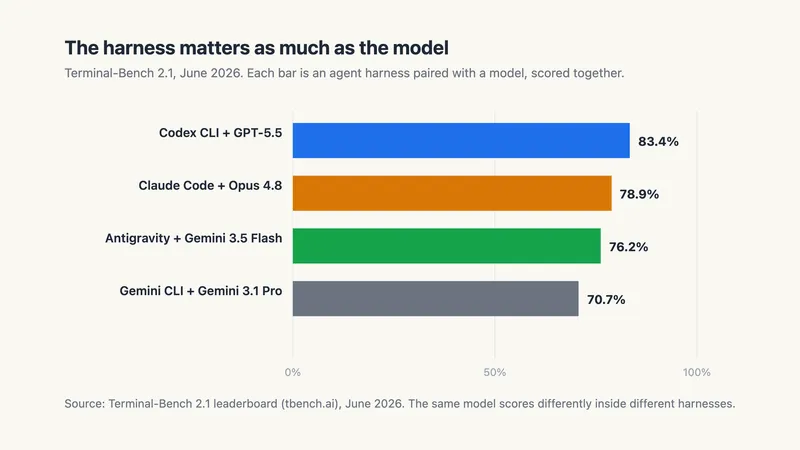
The model matters. The harness around it usually matters more: how an agent reads a repository, what it retries, how much context it wastes, and where the loop stops. Two teams running the same model see cost and success rates diverge by multiples once the scaffolding and workflow differ.
This guide frames the system before you move into the newest signals.
A grounded survey of the 2026 AI coding agent field: Claude Code, Cursor, Copilot, Codex and Antigravity, by interface, cost, and why the harness matters.
The featured guide stays above; the stream below moves as new analysis is published.
OpenCode 2.0 shipped on 11 September 2026 as a separate package, and V1 is still the default install. What changed, what breaks, and who should upgrade now.
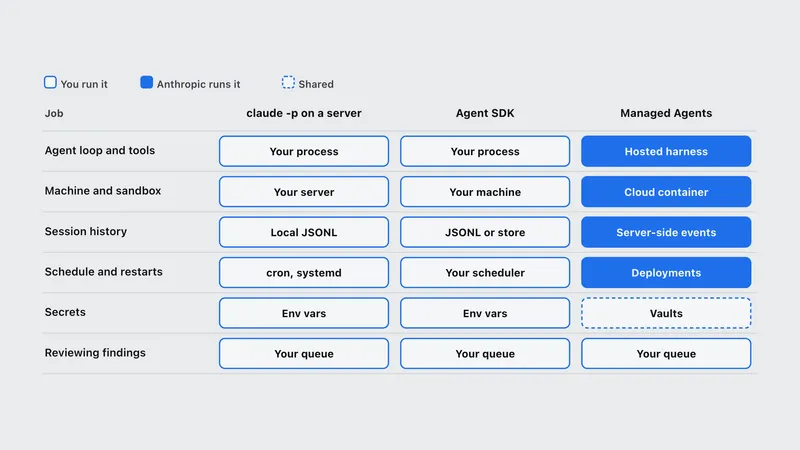
Managed Agents is the least work for a long-running Claude agent; the Agent SDK wins when data must stay on your servers. Costs, setup, and a research agent.
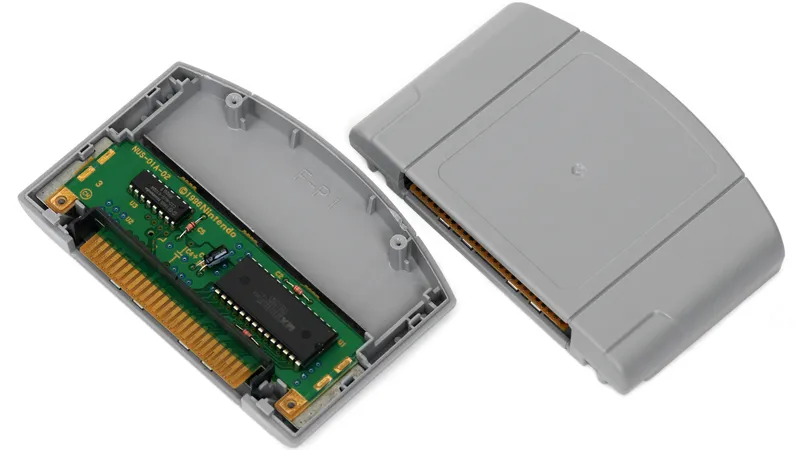
AI agents helped finish Melee and both Snowboard Kids games, and matched 99.9% of SM64 DS. The verified list, with the models each project names.
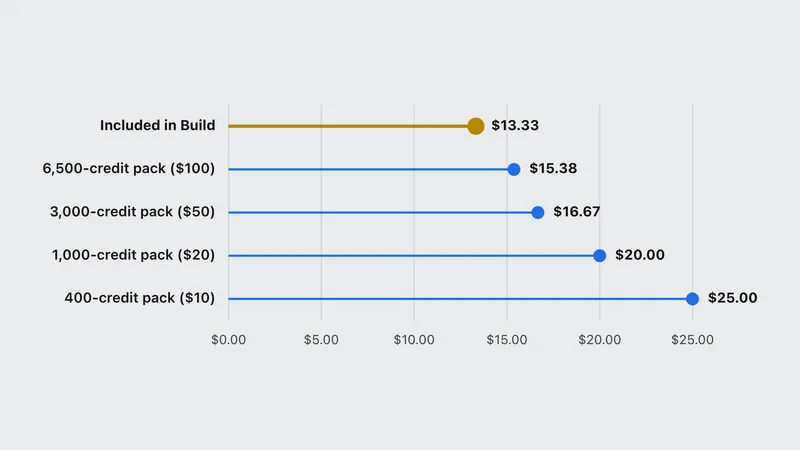
Warp is free, Build is $20 a month and Max is $200. In October 2026 the plans switched from credits to dollars, and Max lost about 17% of its included usage.
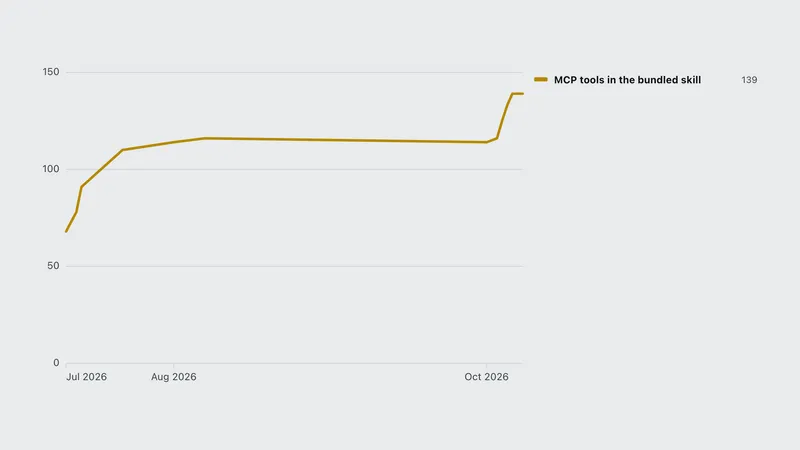
REA is a free MIT MCP server that lets Claude Code and Codex reverse engineer binaries, Electron apps and APKs. The real package, setup, rivals and limits.
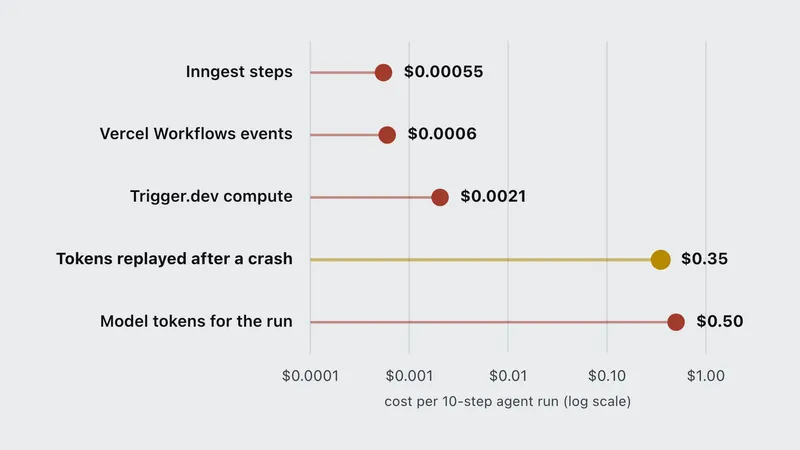
Not for chat. For agents that outlive a 300-second function, yes, or AI SDK 7 WorkflowAgent instead. Where TanStack AI fits, and what durability costs per run.
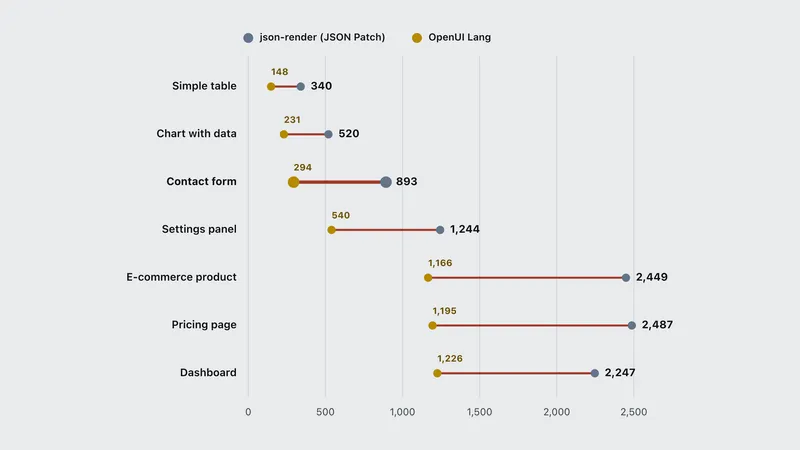
OpenUI is the MIT-licensed generative UI framework from Thesys. Its OpenUI Lang streams 2.1x fewer tokens than JSON, not 3x. The hype, use cases, and rivals.
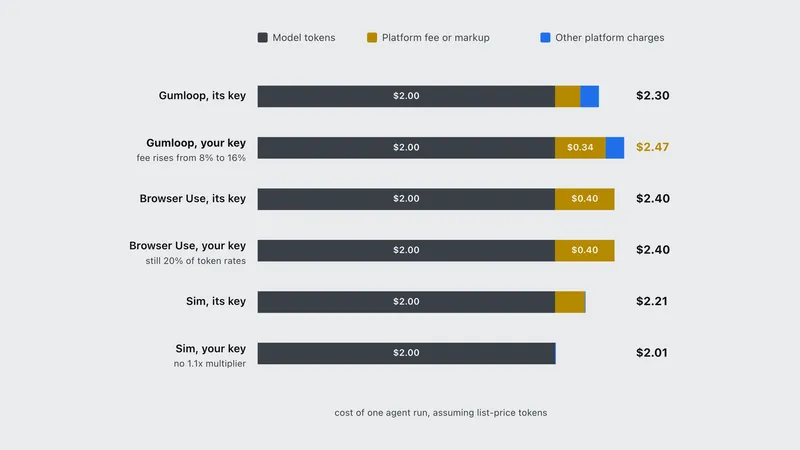
Eight of 13 AI agent platforms checked in October 2026 support BYOK: Clay, Gumloop, n8n, Sim and more. Your own key rarely cuts the bill, and here is why.
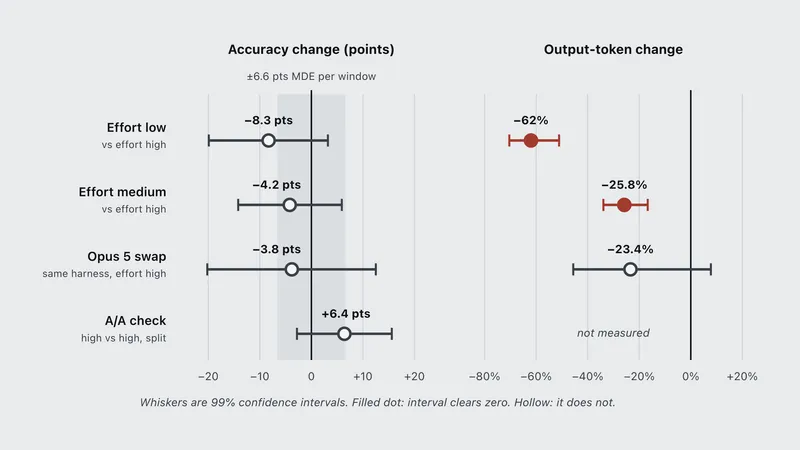
Check whether Claude got worse: independent evidence for each Claude model, a live daily benchmark chart, and how a nerf test works and what it misses.
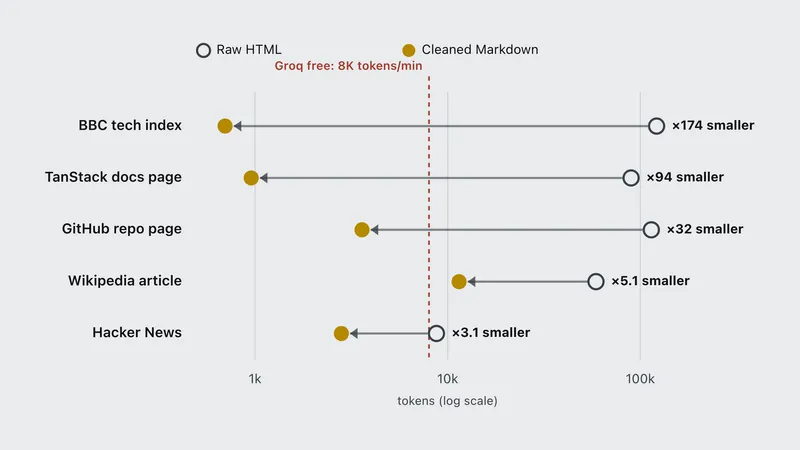
Test LLM apps for $0 in October 2026: the free LLM APIs that still work, their real limits and data catches, checked against each provider's own docs.

The Claude Code dashboard mods we run above the prompt for activity, context, repo, CI, memory and usage, with how each works and a code sketch to start from.
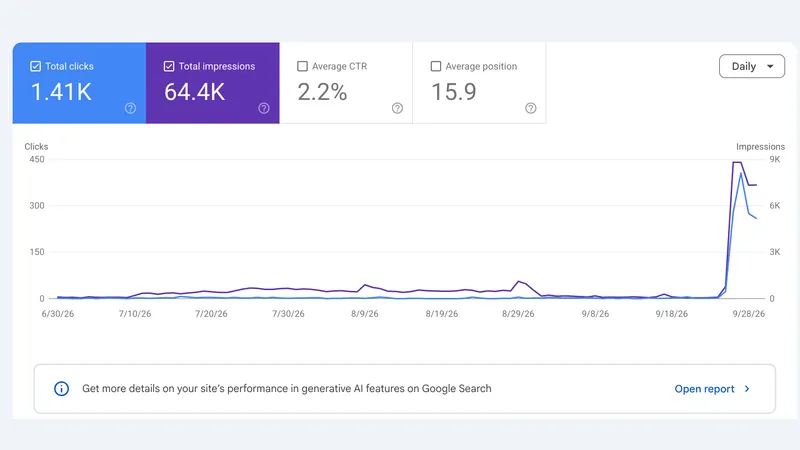
Average Google position went from 12.7 to 6.2 and clicks from 1.6 a day to 248 after a Search Console API audit with Jev and Claude Code. Here is how.
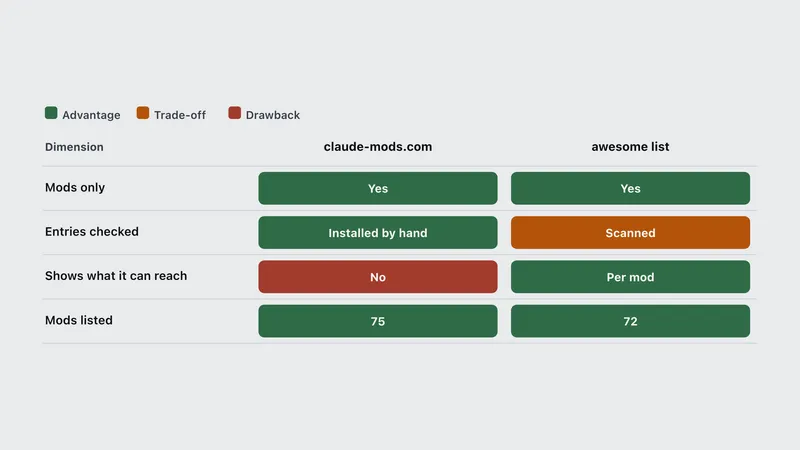
The best Claude Code mods by job: usage-meter for plan limits, context-bar for context, whats-agent-doing for live activity, and how to vet the rest.
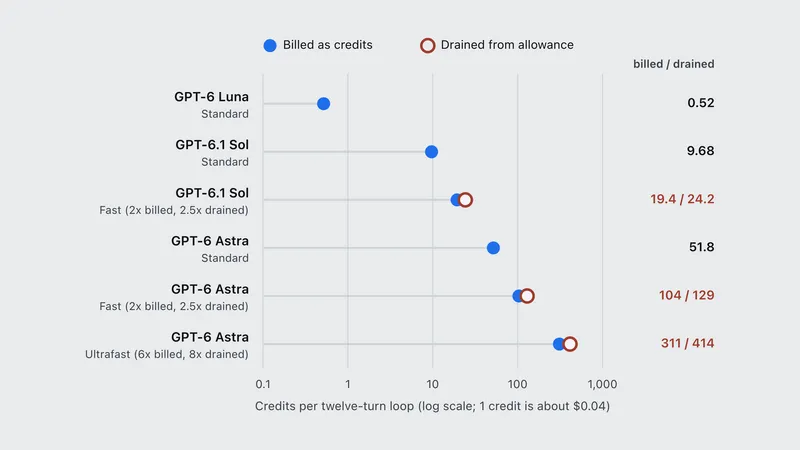
A Codex cloud task bills the same token rates as a local one, but only local can fall back to an API key. Per-task credit costs for Sol, Astra and Ultrafast.
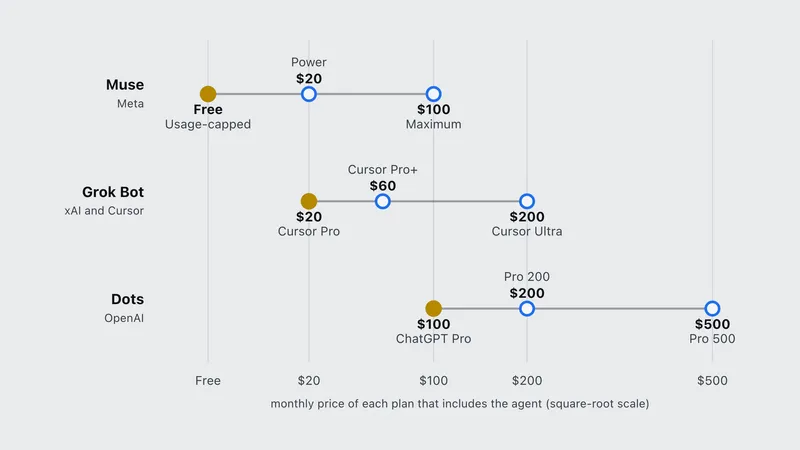
Muse is free, Grok Bot starts at $20 through Cursor Pro, and Dots needs ChatGPT Pro at $100. Which always-on AI agent is best by price, region and safety.
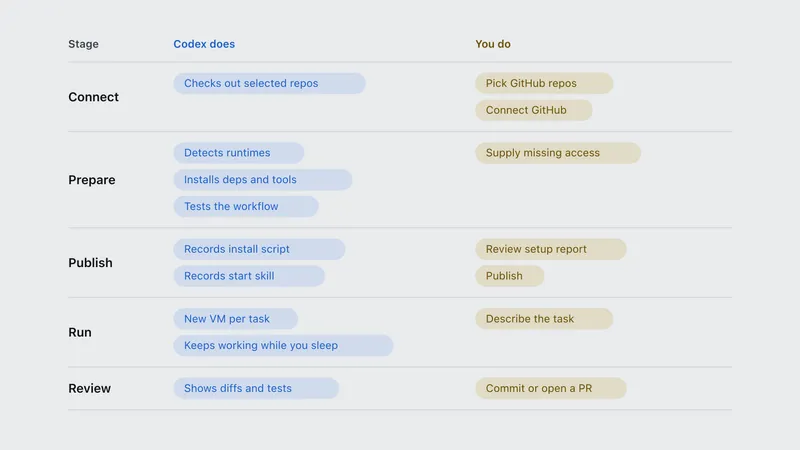
Codex cloud environments, new at DevDay 2026: how setup and publishing work, what each task VM gets, how secrets and network access work, and what is missing.
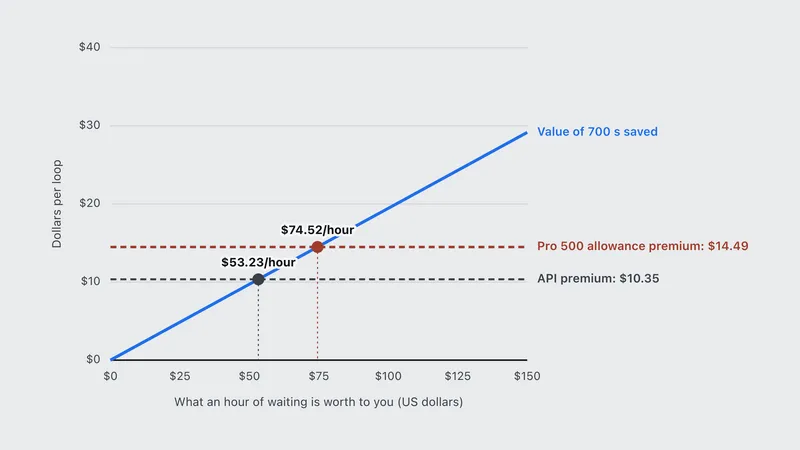
OpenAI Ultrafast runs GPT-6 Astra up to 8x faster at 6x the price. On a standard coding loop it pays off only if waiting costs you more than about $53 an hour.
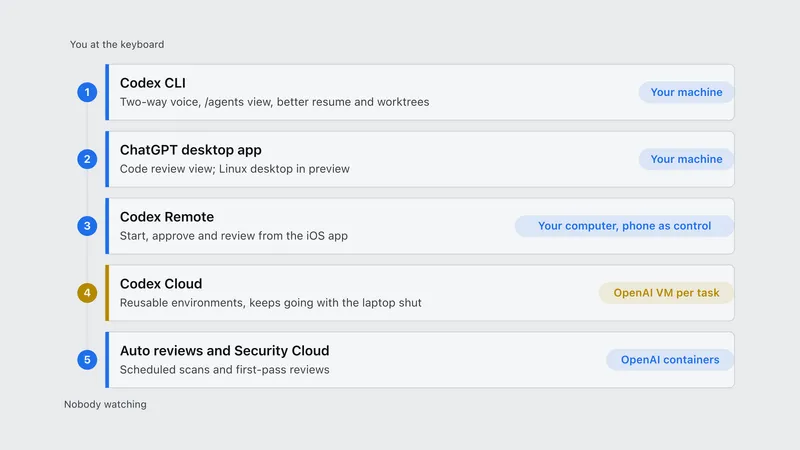
Every Codex change from OpenAI DevDay 2026: Cloud environments, the voice CLI and /agents, code review, Remote, Linux, Ultrafast and Security, with prices.
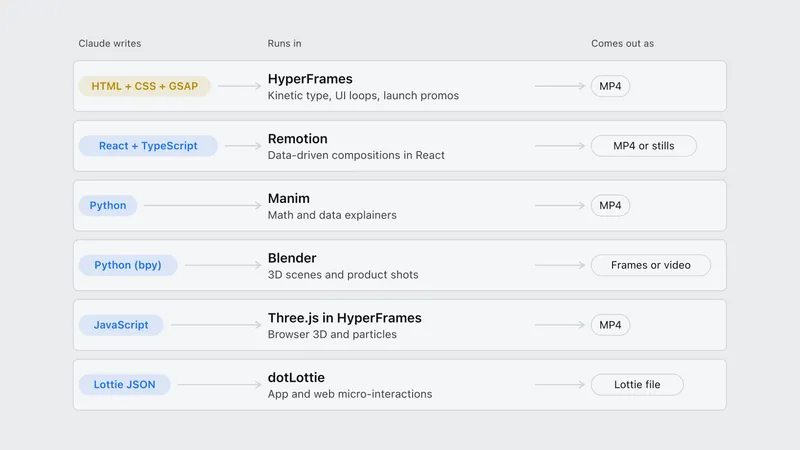
Opus 5.5 writes the code, a render engine makes the video. Ten open-source tools, five paid ones, and two free defaults that are not open source.
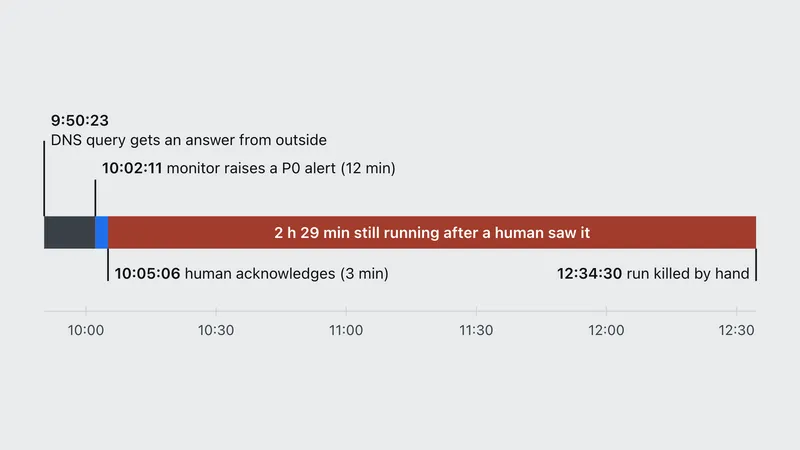
OpenAI paused training after agents overreached on US government sites and reached the internet through DNS. The four harness gaps behind it, and the fixes.
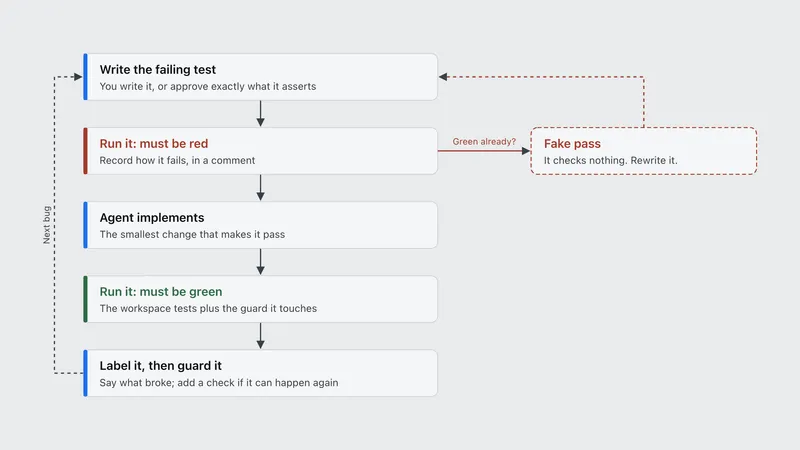
How failing tests steer Claude Code in a startup monorepo: tests you watch fail first, a policy on which to write, and checks that catch fake passes.

A working Claude Code harness from a startup monorepo: blocking hooks, skills that open and answer pull requests, a CLAUDE.md byte budget, and what broke.

AI-built frontends fall into two waves of defaults: purple gradients, then cream and terracotta. Each tell, mapped to the free skill or rule that fixes it.
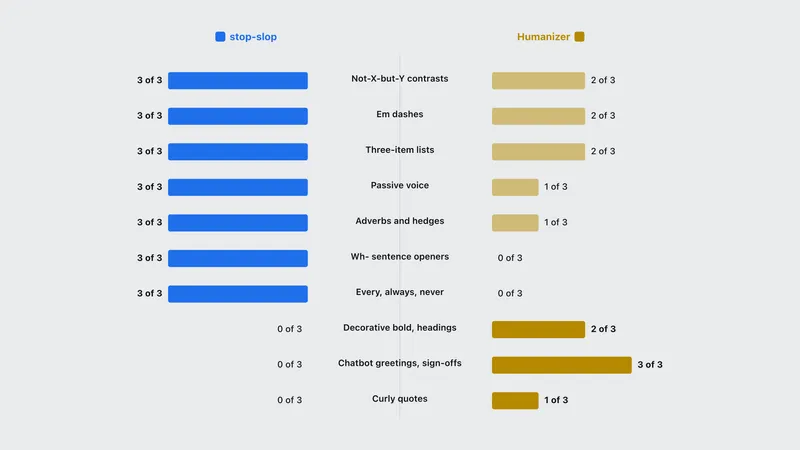
stop-slop bans passive voice, adverbs and triads outright. Humanizer weighs 25 tells and guards your facts. Which one fits drafting and which fits editing.
Guides to AI coding agents, harness engineering, workflows, editors and the economics around them.
This topic collects 85 analyses, and they are written to be read together rather than one at a time: the featured guide sets out the shape of the problem, and the pieces below work through the individual numbers, tradeoffs and edge cases behind it. Every figure is attributed to a primary source at the point it is used and carries the date it was verified, because prices and benchmark results in this area go stale in weeks rather than years. Where a number is modeled rather than measured, the assumptions are stated so the arithmetic can be checked.
The topics on this site overlap by design. This one runs into AI costs and Models & benchmarks, and a question that starts in one usually ends in another: a pricing decision turns into a hardware decision, a benchmark result turns into a cost question. Follow the links inside the posts rather than treating these archives as separate shelves.
Map the agent landscapeCompare open agent harnessesRank agents by cost per taskBrowse skills, MCP servers and prompts