OpenCode 2.0: What Changed and Should You Upgrade?
OpenCode 2.0 shipped on 11 September 2026 as a separate package, and V1 is still the default install. What changed, what breaks, and who should upgrade now.
Move beyond the news cycle. Enter through costs, agents, models, hardware, infrastructure or markets, and follow the evidence all the way down.
OpenCode 2.0 shipped on 11 September 2026 as a separate package, and V1 is still the default install. What changed, what breaks, and who should upgrade now.
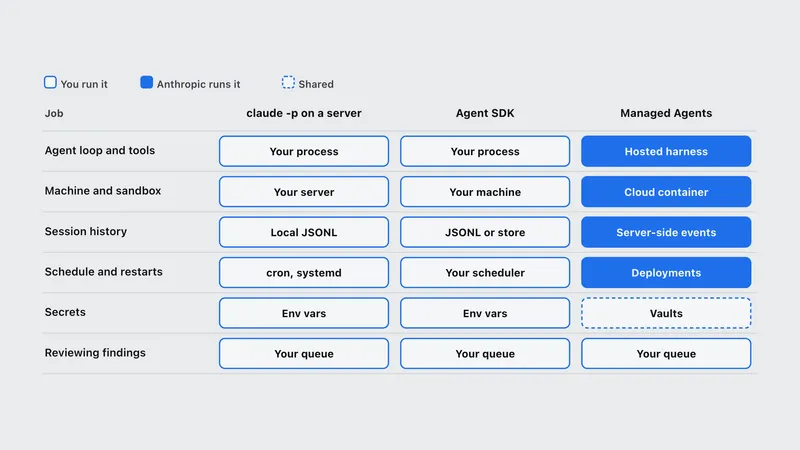
Managed Agents is the least work for a long-running Claude agent; the Agent SDK wins when data must stay on your servers. Costs, setup, and a research agent.
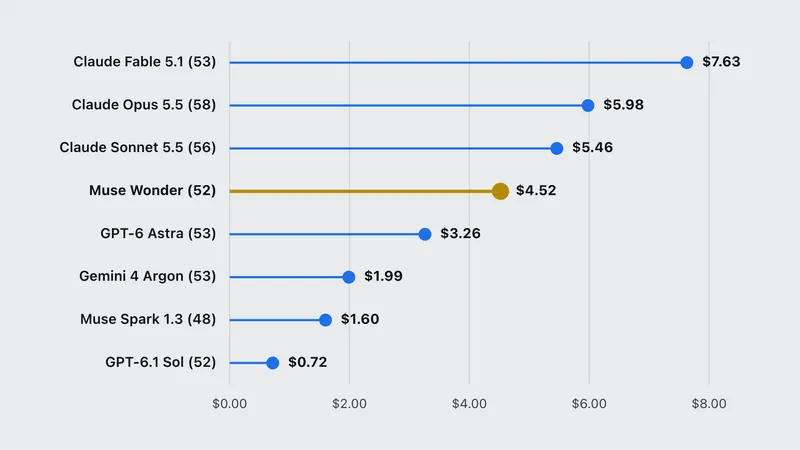
Muse Wonder costs $4 and $20 per million tokens, Claude Opus 5.5's exact rate. It scores 52 on the AA index at $4.52 a task; GPT-6.1 Sol scores 52 for $0.72.
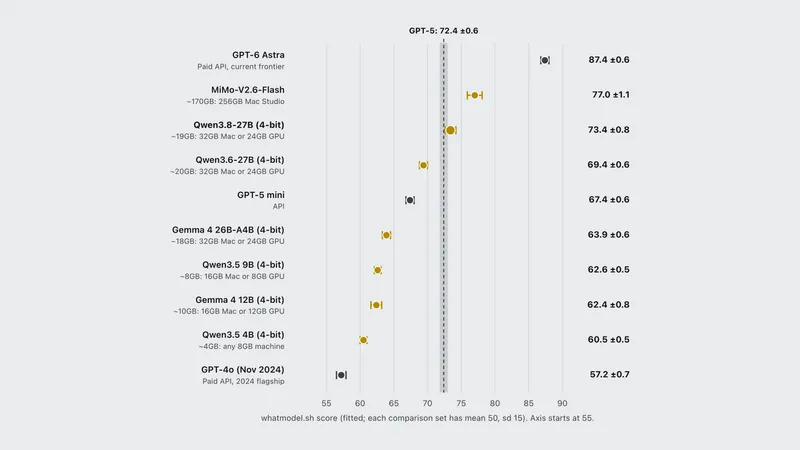
The top local LLMs for every RAM size, ranked. A 32GB Mac now runs a free model that ties a paid flagship, and even 8GB beats older paid models.
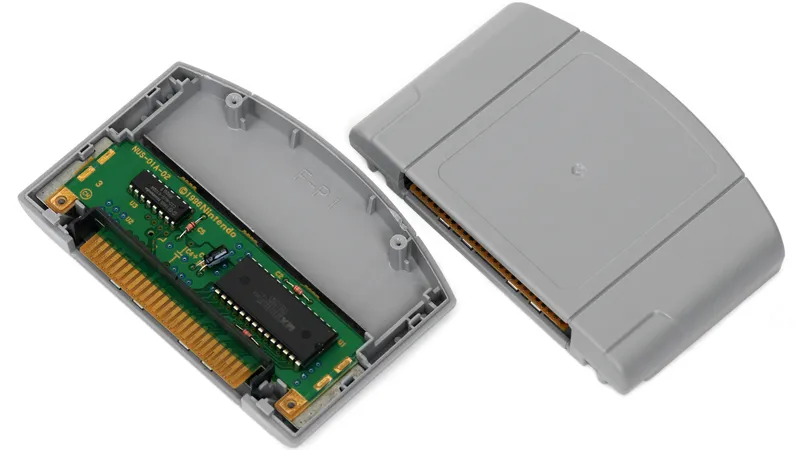
AI agents helped finish Melee and both Snowboard Kids games, and matched 99.9% of SM64 DS. The verified list, with the models each project names.
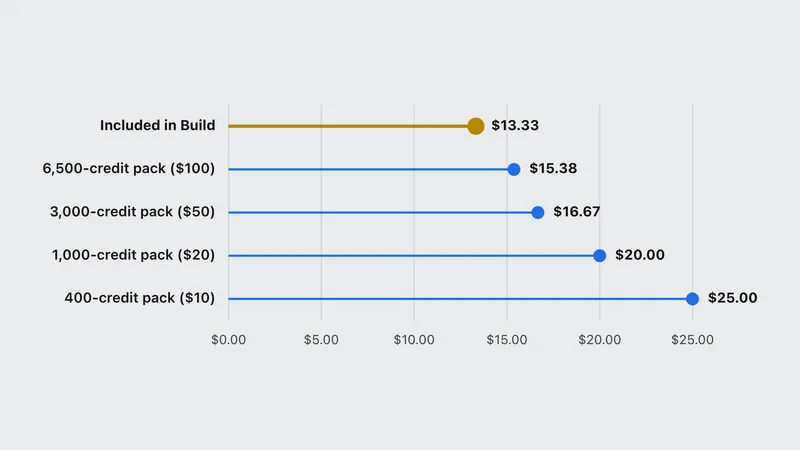
Warp is free, Build is $20 a month and Max is $200. In October 2026 the plans switched from credits to dollars, and Max lost about 17% of its included usage.
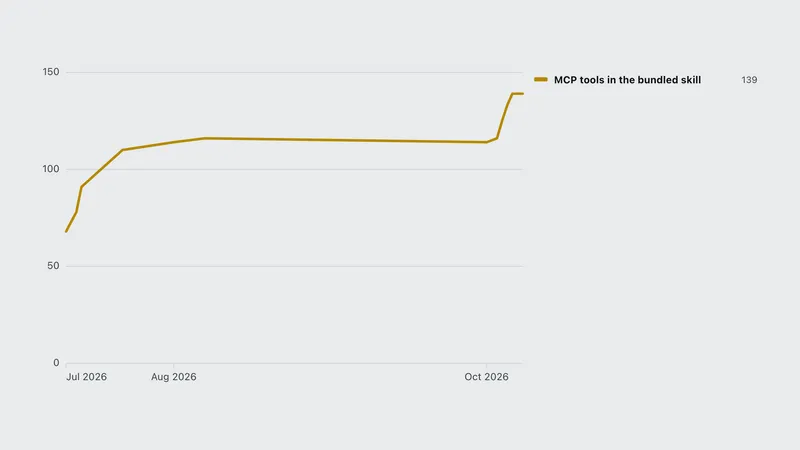
REA is a free MIT MCP server that lets Claude Code and Codex reverse engineer binaries, Electron apps and APKs. The real package, setup, rivals and limits.
OpenAI dumped 722 AI-written math papers on GitHub and skipped the rules its own advisers set. Mathematicians now want a boycott. Here is why, and the cost.
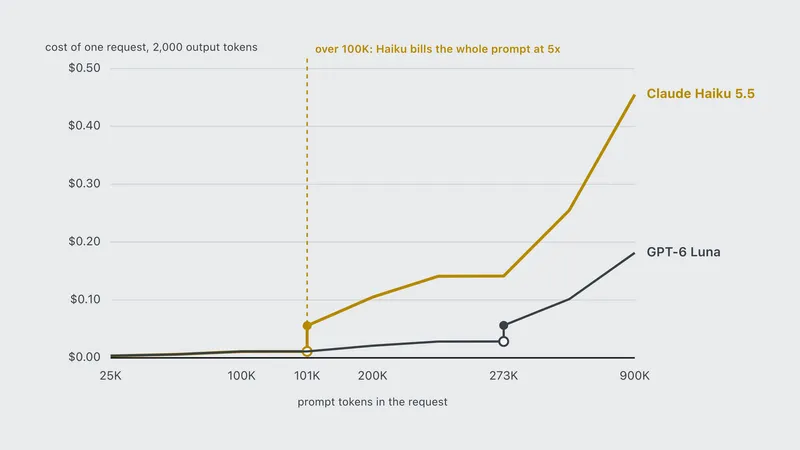
Claude Haiku 5.5 costs $0.10/$0.50 per million tokens for prompts under 100K, 90% below Haiku 4.5, and scores 43 on Artificial Analysis at $0.21 a task.
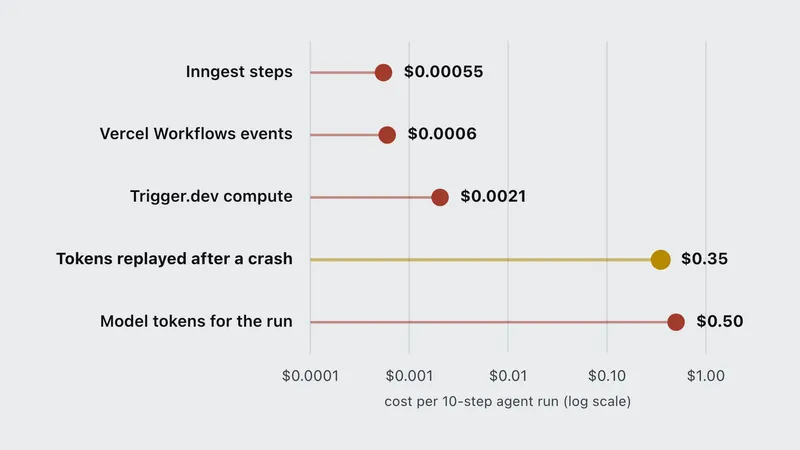
Not for chat. For agents that outlive a 300-second function, yes, or AI SDK 7 WorkflowAgent instead. Where TanStack AI fits, and what durability costs per run.
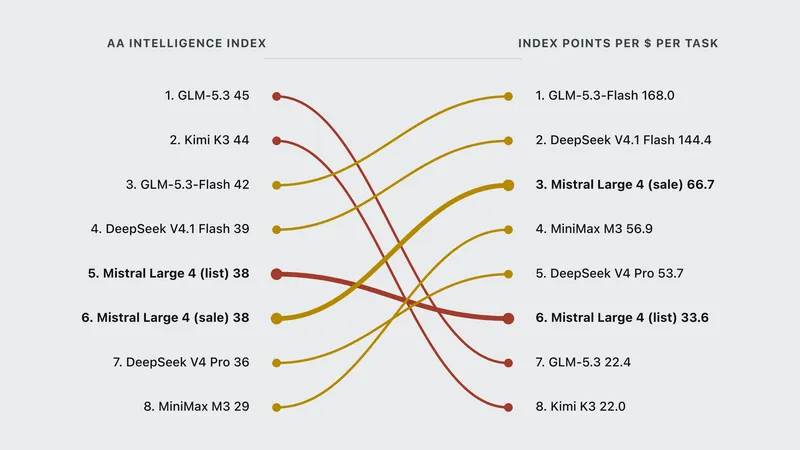
Mistral Large 4 costs $0.68/$2.09 per million tokens on launch sale, $1.36/$4.18 at list. Artificial Analysis scores it 38. Weights are due by end of October.
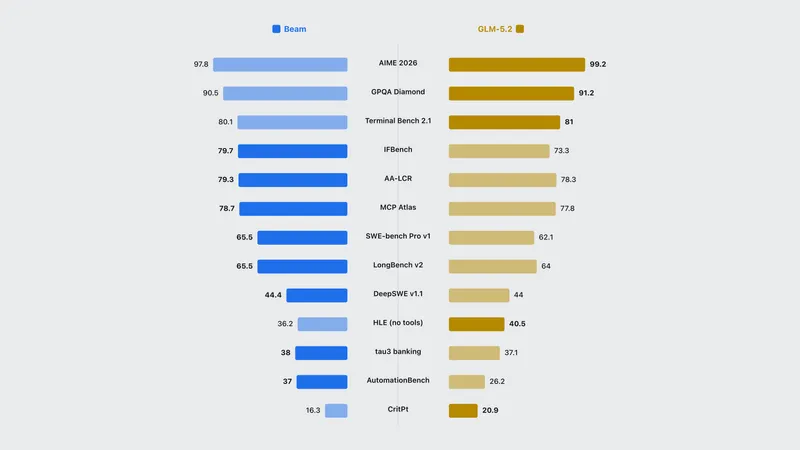
Reflection AI's Beam is a 501B open-weight model, 23B active, with Apache 2.0 weights due in October 2026. Its own benchmarks put it level with GLM-5.2.
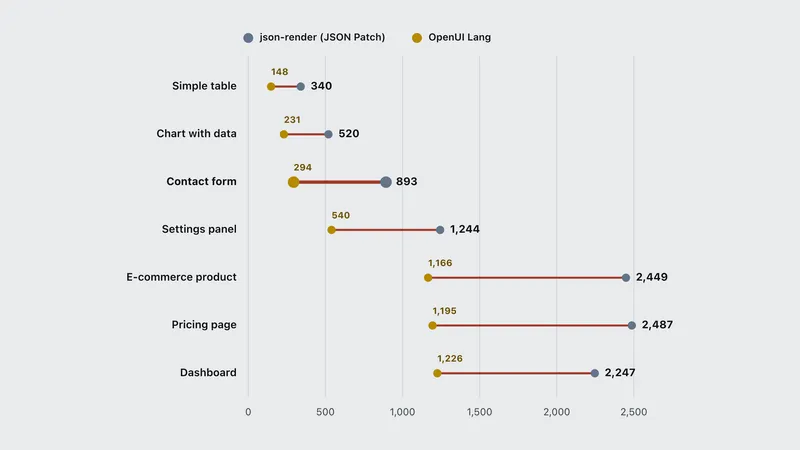
OpenUI is the MIT-licensed generative UI framework from Thesys. Its OpenUI Lang streams 2.1x fewer tokens than JSON, not 3x. The hype, use cases, and rivals.
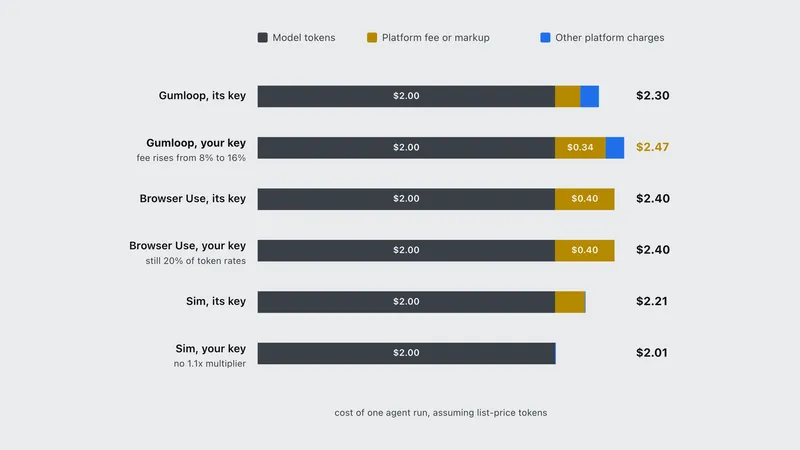
Eight of 13 AI agent platforms checked in October 2026 support BYOK: Clay, Gumloop, n8n, Sim and more. Your own key rarely cuts the bill, and here is why.
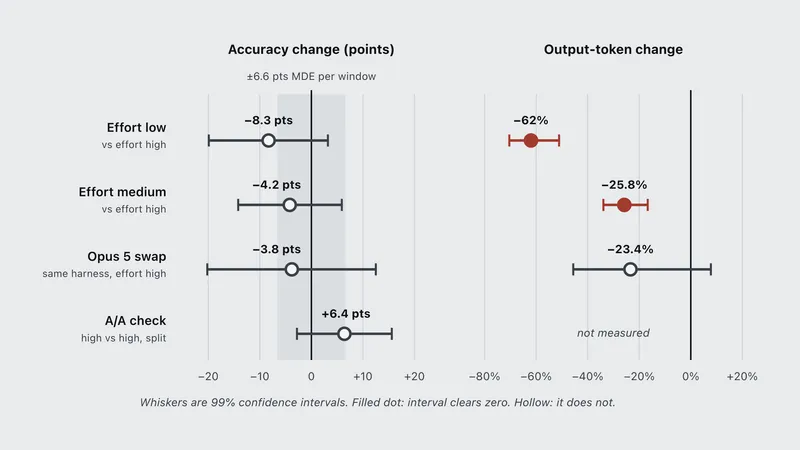
Check whether Claude got worse: independent evidence for each Claude model, a live daily benchmark chart, and how a nerf test works and what it misses.
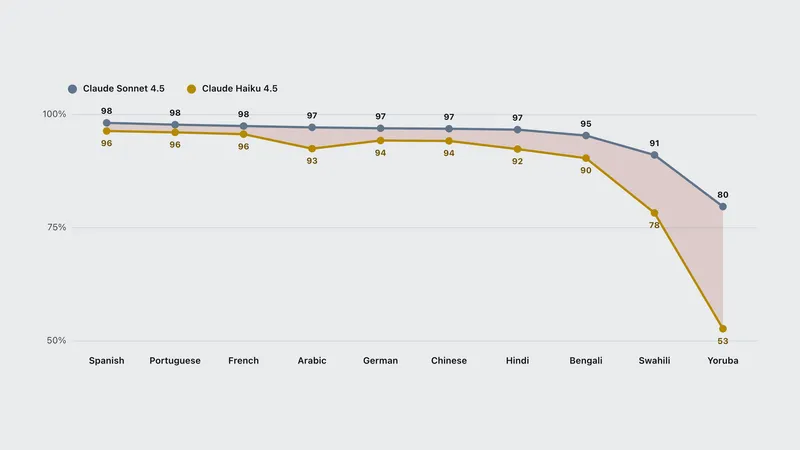
Frontier LLMs score 95 to 98% of their English level in about a dozen major languages. Below that, quality falls fast. A four-tier map with the evidence.
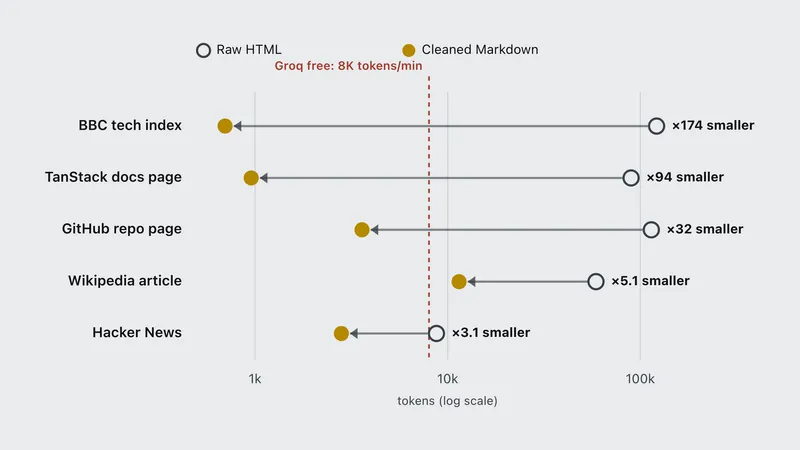
Test LLM apps for $0 in October 2026: the free LLM APIs that still work, their real limits and data catches, checked against each provider's own docs.
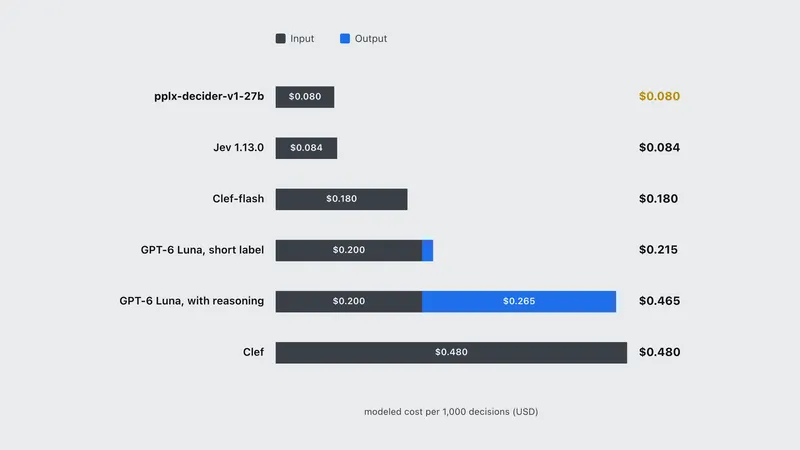
Every AI model released in October 2026, with dates, verified launch prices and a primary source for each. Updated through the month as releases land.

The Claude Code dashboard mods we run above the prompt for activity, context, repo, CI, memory and usage, with how each works and a code sketch to start from.
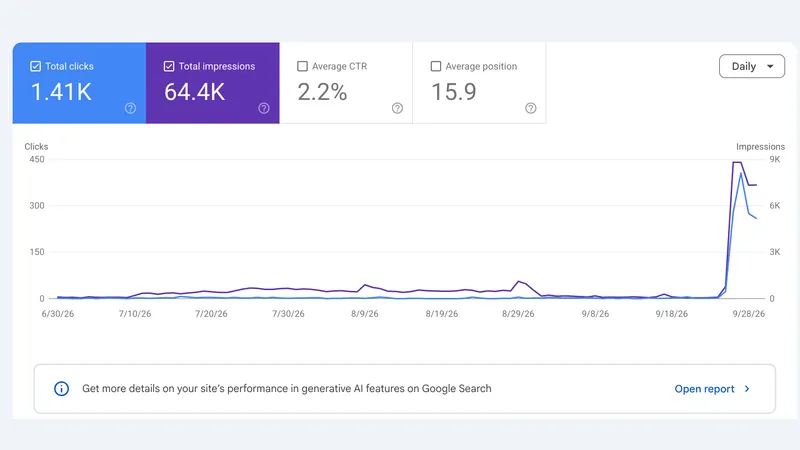
Average Google position went from 12.7 to 6.2 and clicks from 1.6 a day to 248 after a Search Console API audit with Jev and Claude Code. Here is how.
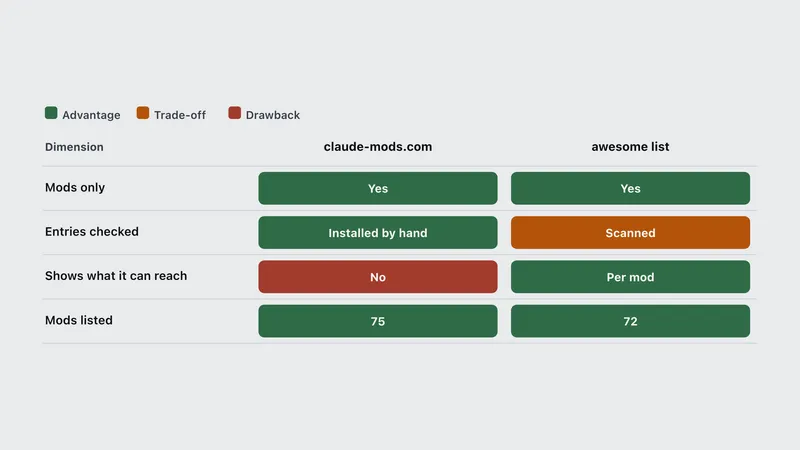
The best Claude Code mods by job: usage-meter for plan limits, context-bar for context, whats-agent-doing for live activity, and how to vet the rest.
Gemini 4 Argon costs $2 and $10 per million tokens until November 30, then $4 and $20. It ties GPT-6 Astra on the AA index and is cheaper per task until then.
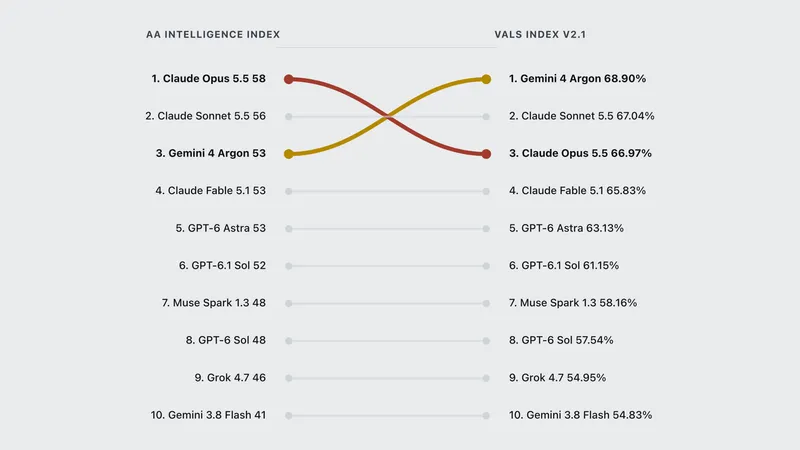
Gemini 4 Argon is first on the Vals Index and tied third on Artificial Analysis. The split comes from weighting: finance is 52% of the Vals score.
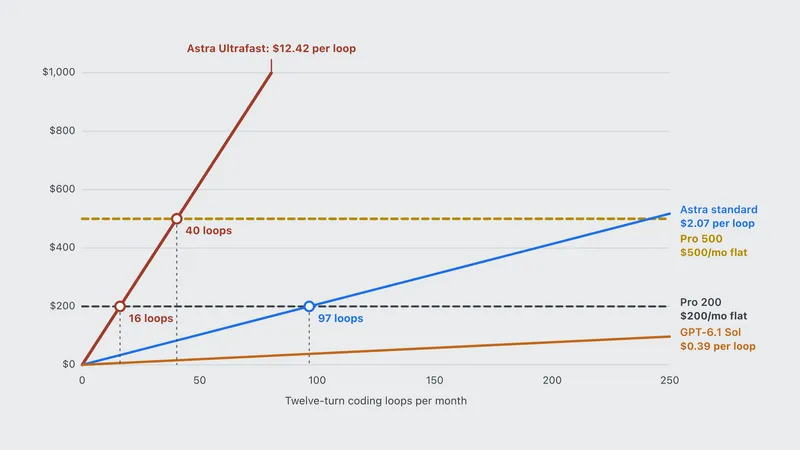
ChatGPT Pro 500 costs $500 a month for Ultrafast. At API rates that buys about 40 Ultrafast agent loops. The breakeven against Pro 200 and the API, worked.