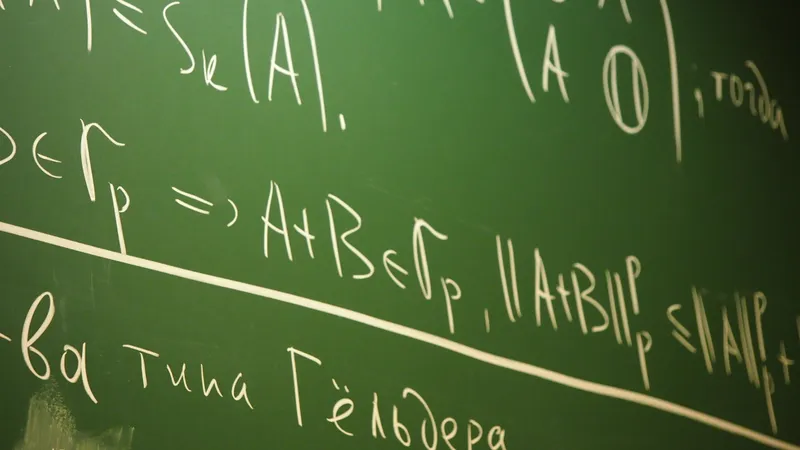
Why Mathematicians Are Furious at OpenAI's 722 Proofs
OpenAI dumped 722 AI-written math papers on GitHub and skipped the rules its own advisers set. Mathematicians now want a boycott. Here is why, and the cost.
Independent analysis of the systems, prices and markets behind artificial intelligence.
OpenAI dumped 722 AI-written math papers on GitHub and skipped the rules its own advisers set. Mathematicians now want a boycott. Here is why, and the cost.
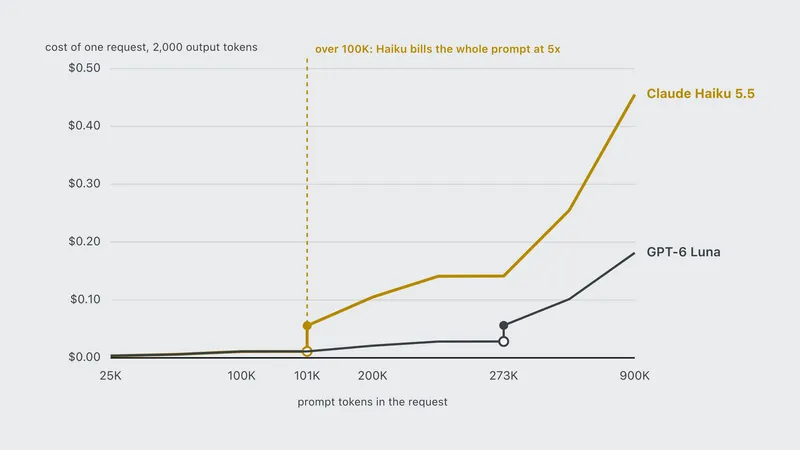
Claude Haiku 5.5 costs $0.10/$0.50 per million tokens for prompts under 100K, 90% below Haiku 4.5, and scores 43 on Artificial Analysis at $0.21 a task.
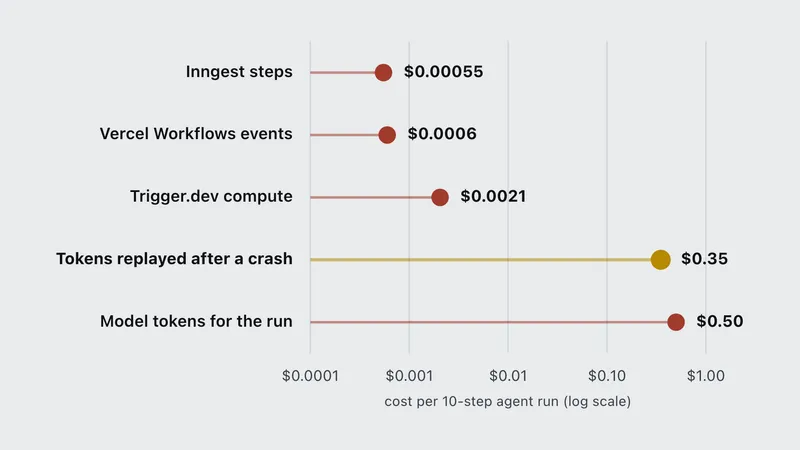
Not for chat. For agents that outlive a 300-second function, yes, or AI SDK 7 WorkflowAgent instead. Where TanStack AI fits, and what durability costs per run.
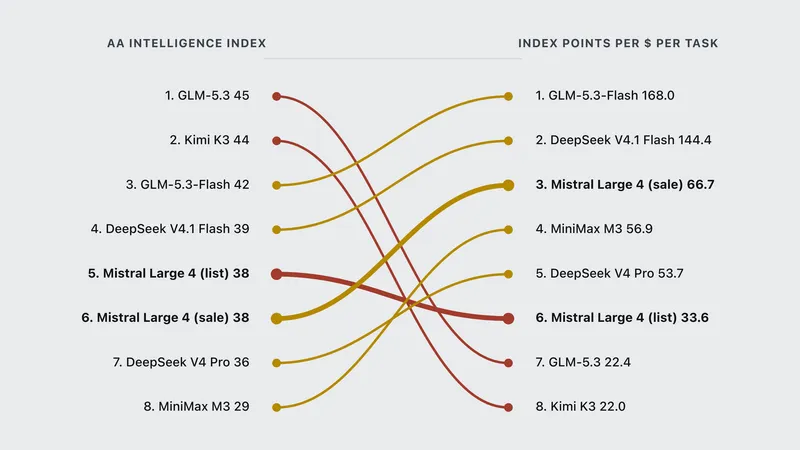
Mistral Large 4 costs $0.68/$2.09 per million tokens on launch sale, $1.36/$4.18 at list. Artificial Analysis scores it 38. Weights are due by end of October.
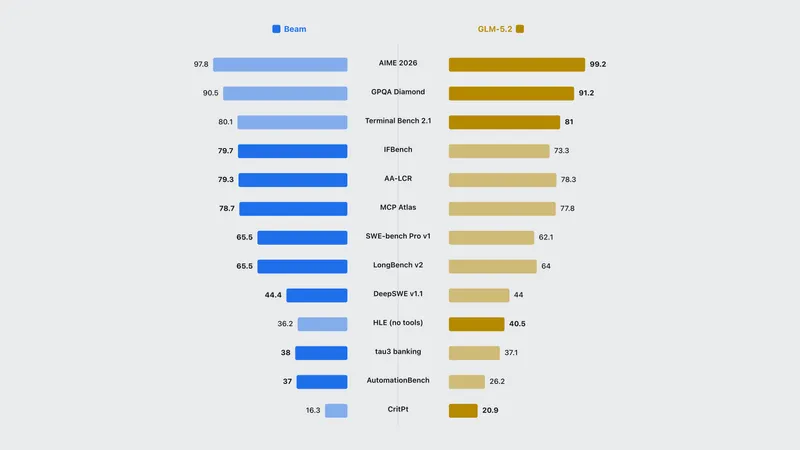
Reflection AI's Beam is a 501B open-weight model, 23B active, with Apache 2.0 weights due in October 2026. Its own benchmarks put it level with GLM-5.2.
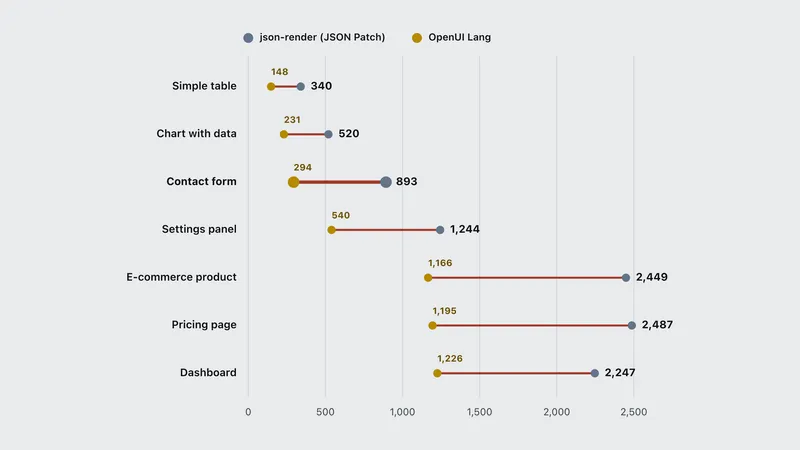
OpenUI is the MIT-licensed generative UI framework from Thesys. Its OpenUI Lang streams 2.1x fewer tokens than JSON, not 3x. The hype, use cases, and rivals.
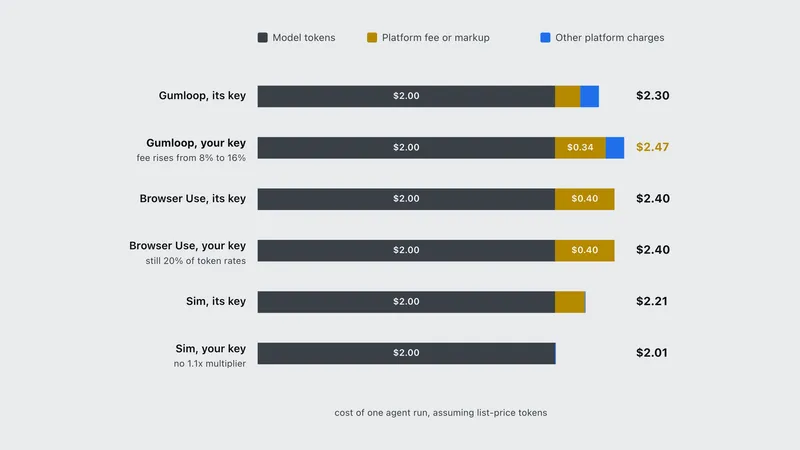
Eight of 13 AI agent platforms checked in October 2026 support BYOK: Clay, Gumloop, n8n, Sim and more. Your own key rarely cuts the bill, and here is why.
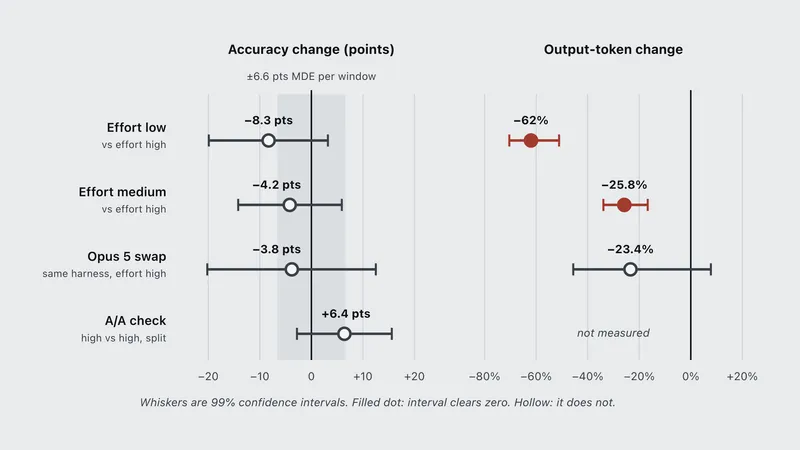
Check whether Claude got worse: independent evidence for each Claude model, a live daily benchmark chart, and how a nerf test works and what it misses.
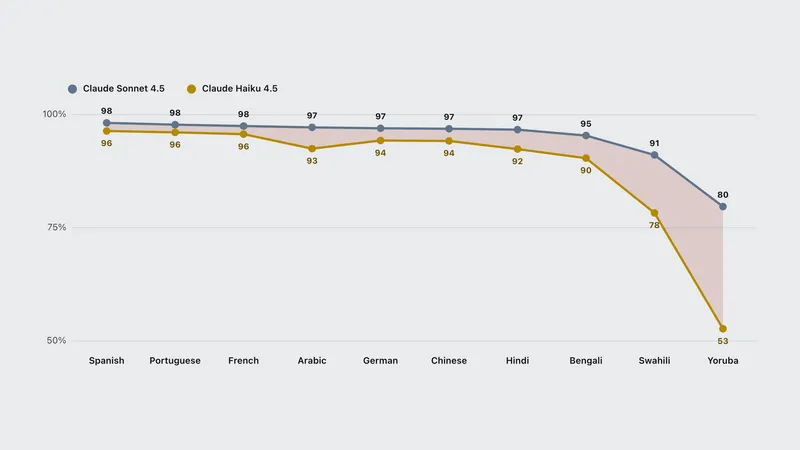
Frontier LLMs score 95 to 98% of their English level in about a dozen major languages. Below that, quality falls fast. A four-tier map with the evidence.
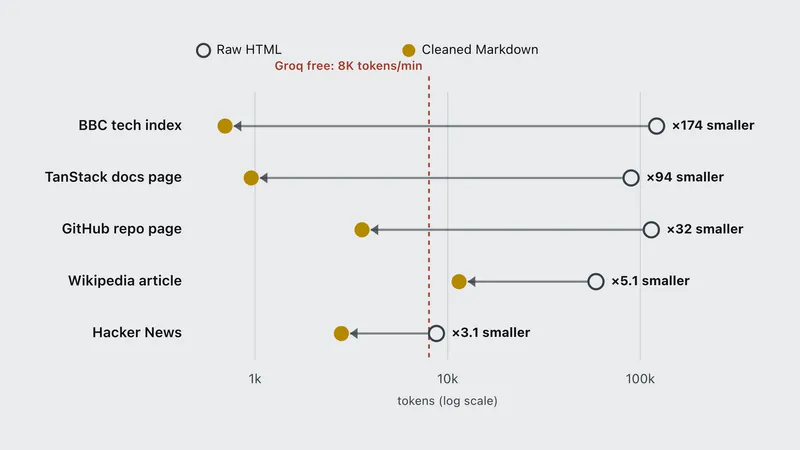
Test LLM apps for $0 in October 2026: the free LLM APIs that still work, their real limits and data catches, checked against each provider's own docs.
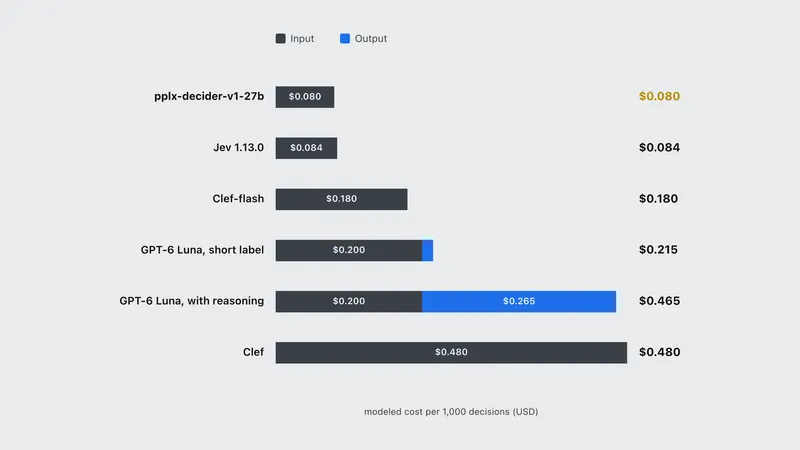
Every AI model released in October 2026, with dates, verified launch prices and a primary source for each. Updated through the month as releases land.

The Claude Code dashboard mods we run above the prompt for activity, context, repo, CI, memory and usage, with how each works and a code sketch to start from.
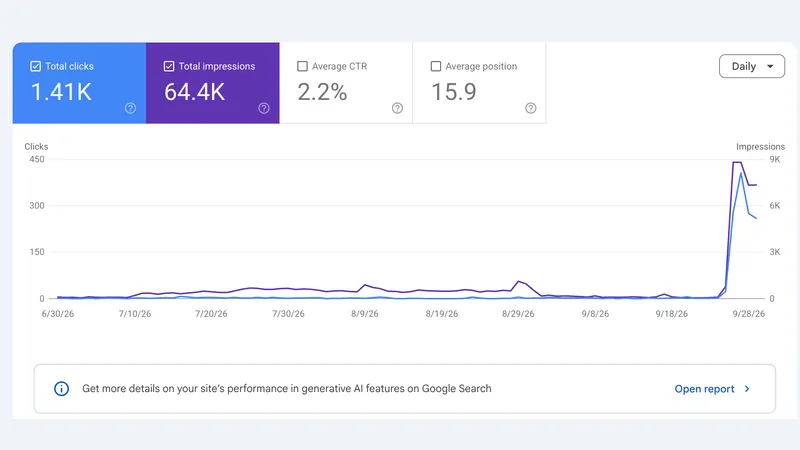
Average Google position went from 12.7 to 6.2 and clicks from 1.6 a day to 248 after a Search Console API audit with Jev and Claude Code. Here is how.
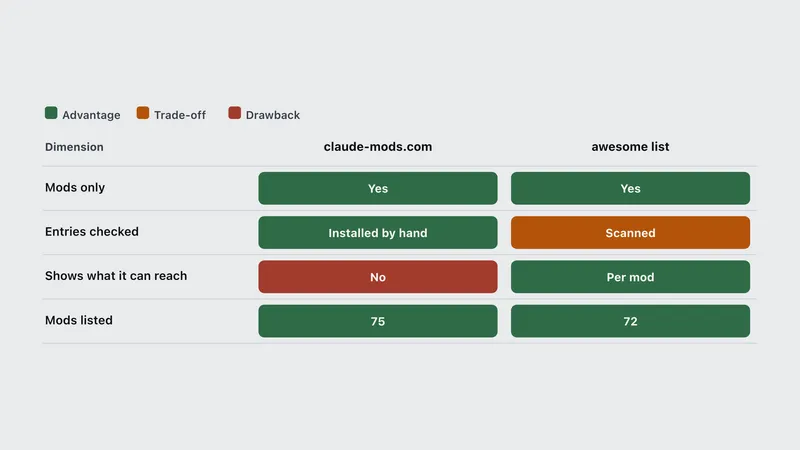
The best Claude Code mods by job: usage-meter for plan limits, context-bar for context, whats-agent-doing for live activity, and how to vet the rest.
Gemini 4 Argon costs $2 and $10 per million tokens until November 30, then $4 and $20. It ties GPT-6 Astra on the AA index and is cheaper per task until then.
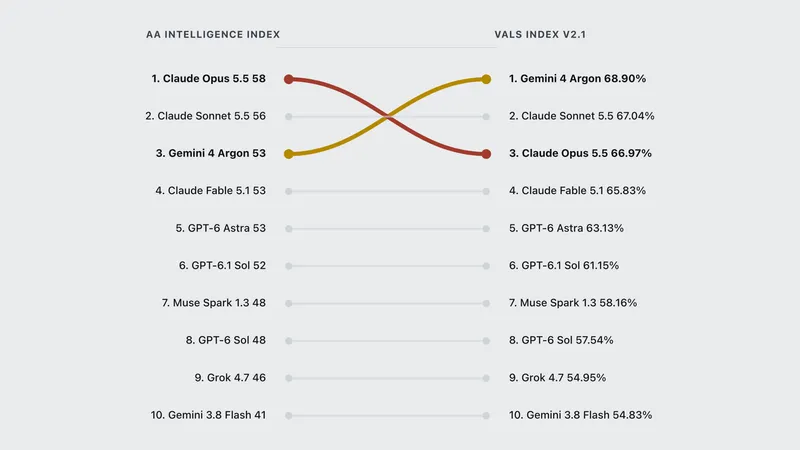
Gemini 4 Argon is first on the Vals Index and tied third on Artificial Analysis. The split comes from weighting: finance is 52% of the Vals score.
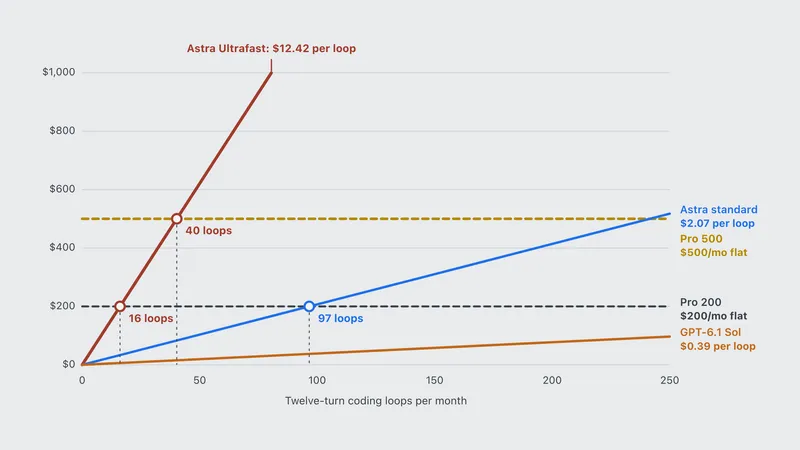
ChatGPT Pro 500 costs $500 a month for Ultrafast. At API rates that buys about 40 Ultrafast agent loops. The breakeven against Pro 200 and the API, worked.
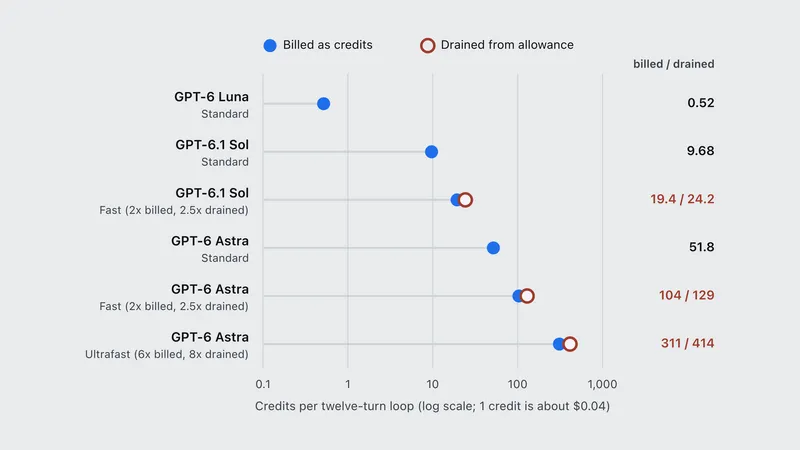
A Codex cloud task bills the same token rates as a local one, but only local can fall back to an API key. Per-task credit costs for Sol, Astra and Ultrafast.
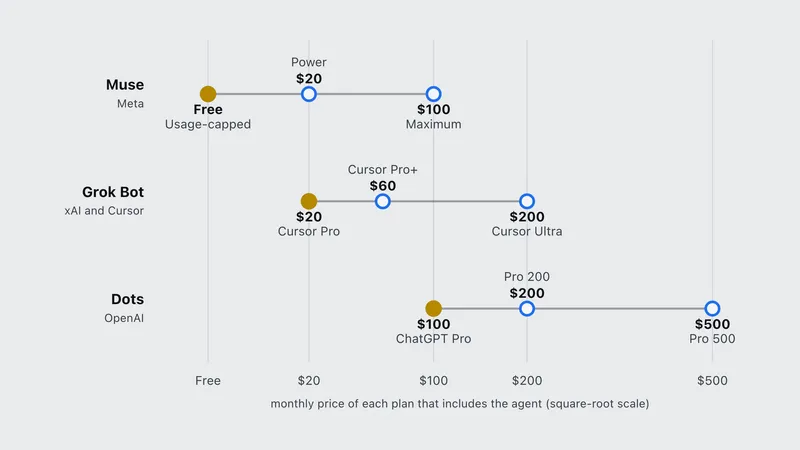
Muse is free, Grok Bot starts at $20 through Cursor Pro, and Dots needs ChatGPT Pro at $100. Which always-on AI agent is best by price, region and safety.
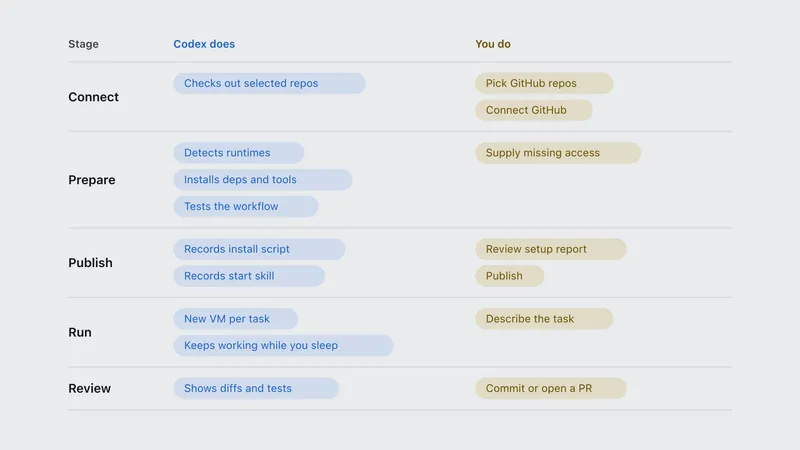
Codex cloud environments, new at DevDay 2026: how setup and publishing work, what each task VM gets, how secrets and network access work, and what is missing.
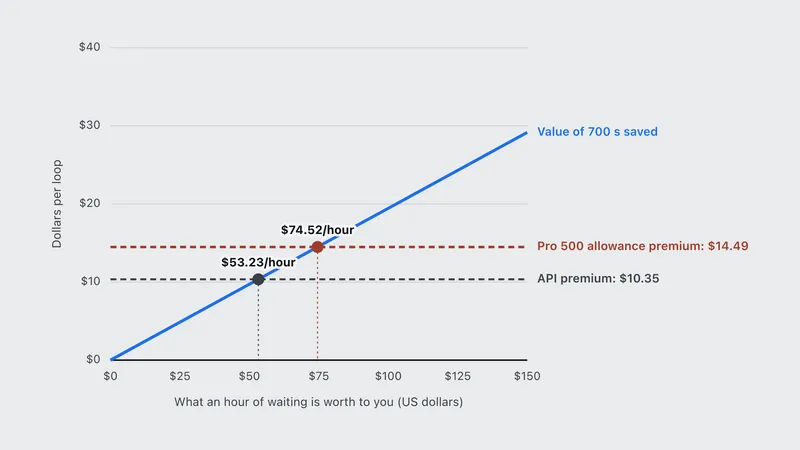
OpenAI Ultrafast runs GPT-6 Astra up to 8x faster at 6x the price. On a standard coding loop it pays off only if waiting costs you more than about $53 an hour.
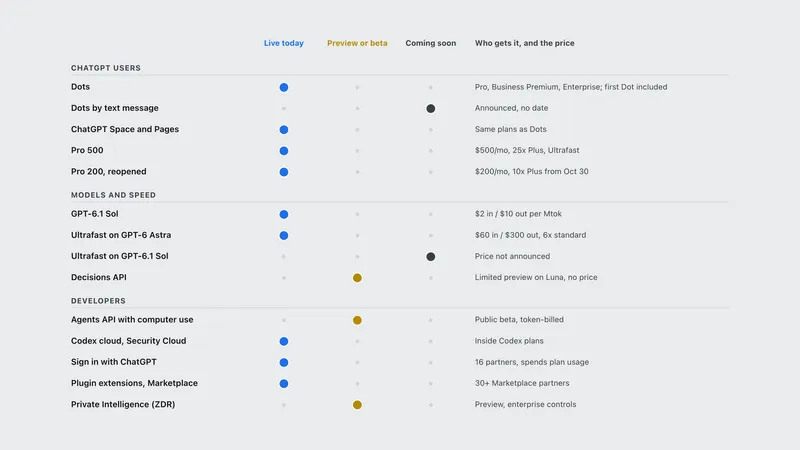
Everything OpenAI announced at DevDay 2026 on September 29: Dots, GPT-6.1 Sol, Ultrafast, Pro 500 and the Agents API, with the price and status of each.
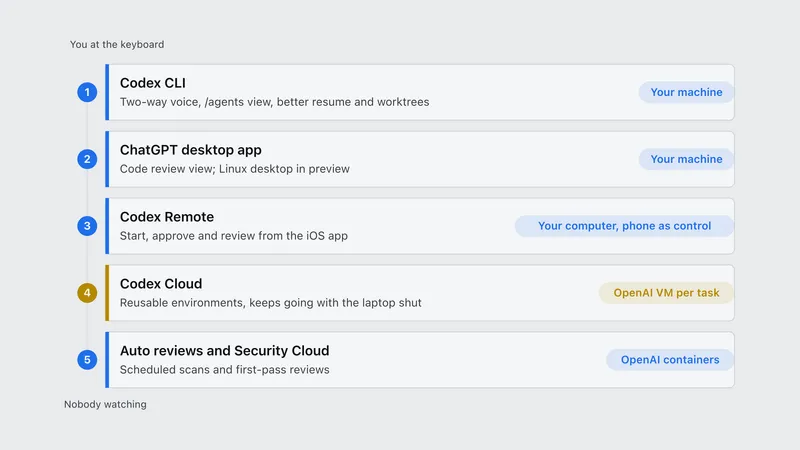
Every Codex change from OpenAI DevDay 2026: Cloud environments, the voice CLI and /agents, code review, Remote, Linux, Ultrafast and Security, with prices.
Anthropic's IPO prospectus shows $7.33B spent on compute in 2025 and $518B in obligations ahead, 113 times its revenue. Here is who it is owed to.