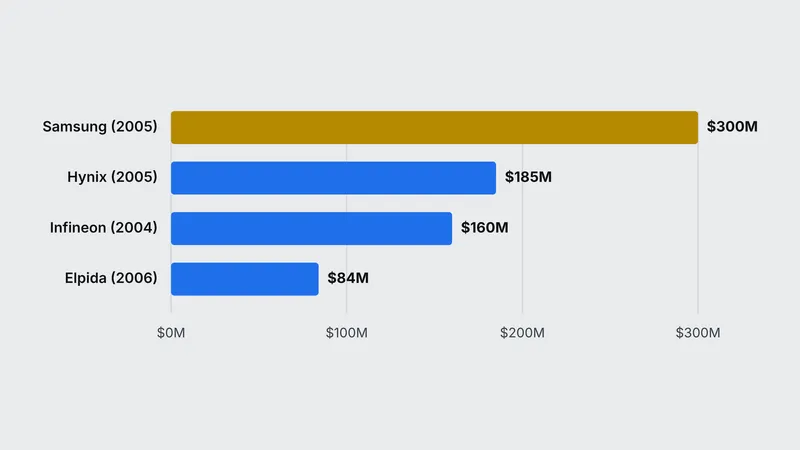
Will the DRAM Lawsuit Lower RAM Prices?
Not soon. A judge let the DRAM supply-conspiracy suit against Samsung, SK hynix and Micron proceed on Nov 14, 2026, but supply, not courts, sets RAM prices.
Independent analysis of the systems, prices and markets behind artificial intelligence.
Not soon. A judge let the DRAM supply-conspiracy suit against Samsung, SK hynix and Micron proceed on Nov 14, 2026, but supply, not courts, sets RAM prices.
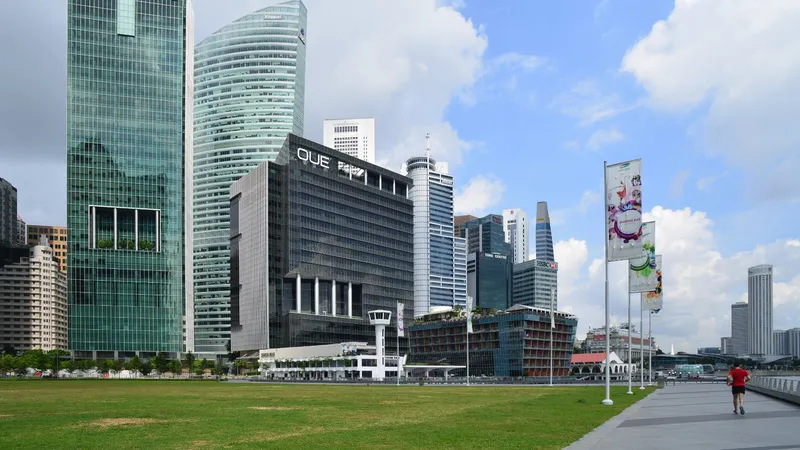
Yes, if it knew or had reason to know chips reached China. No charge yet. The record on Megaspeed, the Singapore revenue Nvidia stopped showing, and fine math.
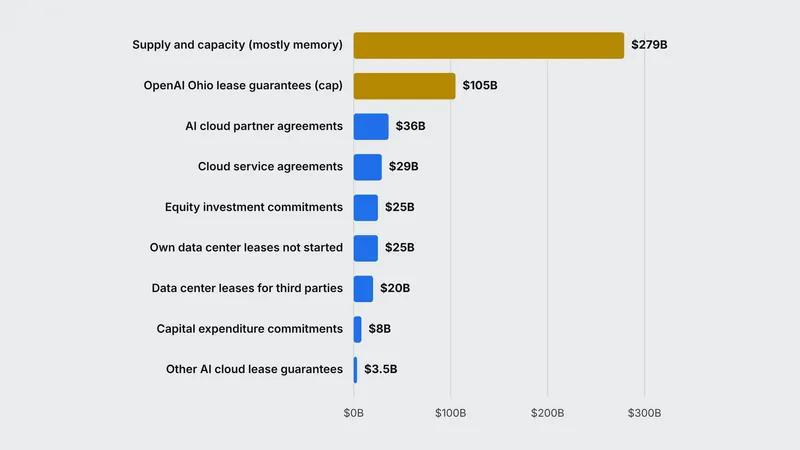
Nvidia has about $530 billion in supply deals, partner agreements and guarantees on its books, $279 billion of it mostly memory. Where the risk sits.
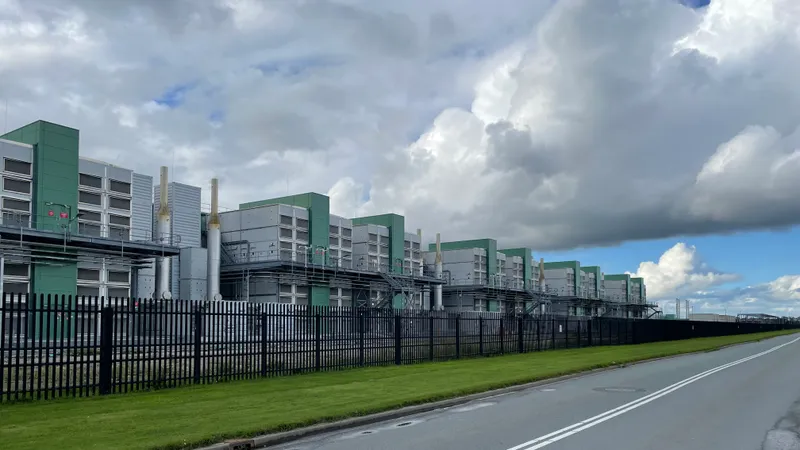
No evidence so far. Microsoft blames servers failing health checks and is reverting a network config change. Nothing ties the 12 Nov outage to AI code.
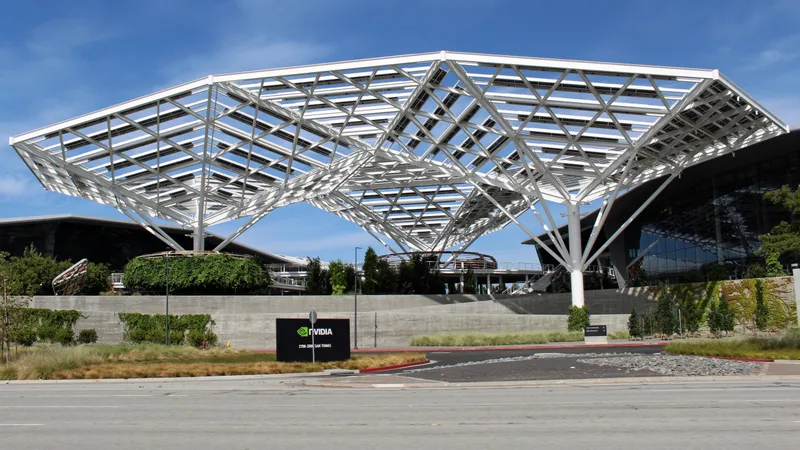
Yes, with limits. Jensen Huang is Nvidia CEO again since November 22 2026, so insider-trading law, trading windows and Rule 144 govern any sale.
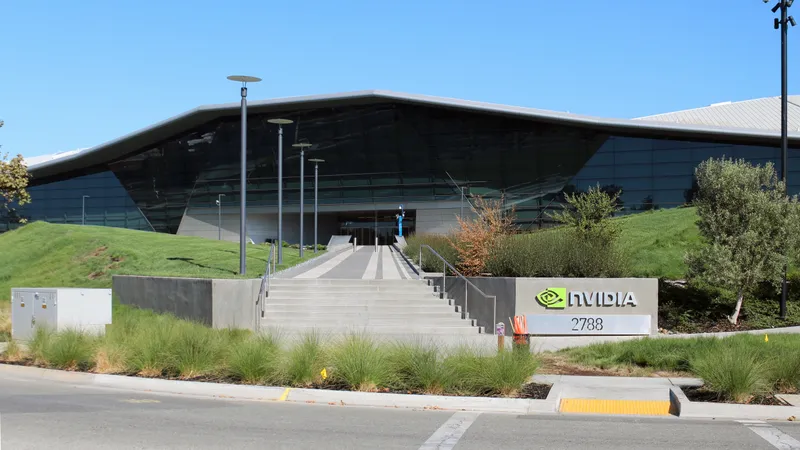
Yes, by a simple majority of directors, and the same majority can rehire him. Huang resigned November 11 2026 and was reinstated November 22. How it works.
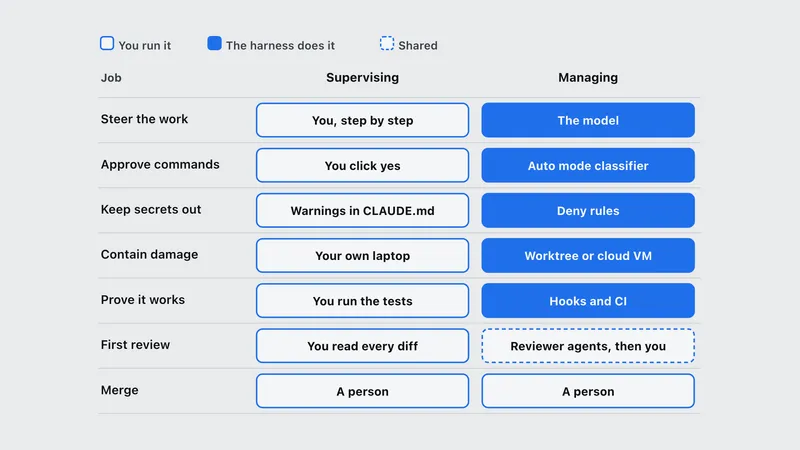
Run Claude Code like a team you manage: deny rules restrict it, sandboxes contain it, hooks and CI verify it, cloud sessions take risky work, a person merges.
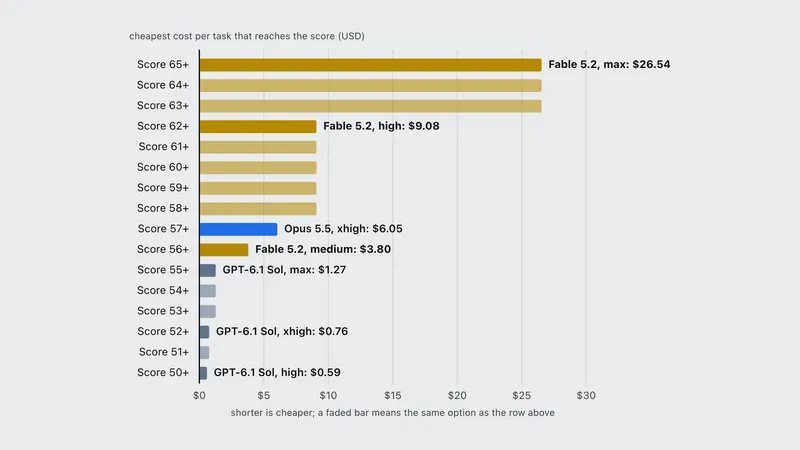
Claude Fable 5.2 cuts Fable pricing 20% to $8/$40 per million tokens. At its default high effort it outscores Opus 5.5 at max for less per task.
Maybe. YouTube app code points to Tamba, a separate social app with followers, private profiles and group chats. Google has not confirmed it yet.
No. The board probe into Jensen Huang is about a reported spying risk, not chip supply. Smuggling pulls AI chips and RTX 5090s; memory costs set gaming prices.
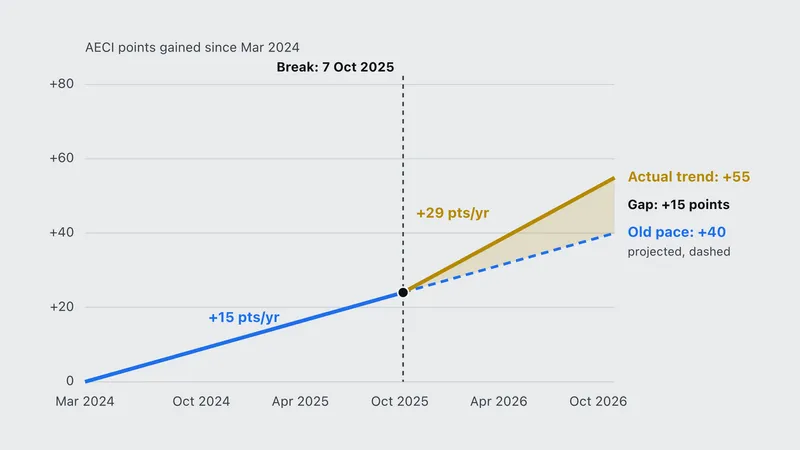
Yes. METR's November 2026 assessment finds Anthropic improving its models about 2x faster than before, roughly 80% due to AI and not to more training compute.
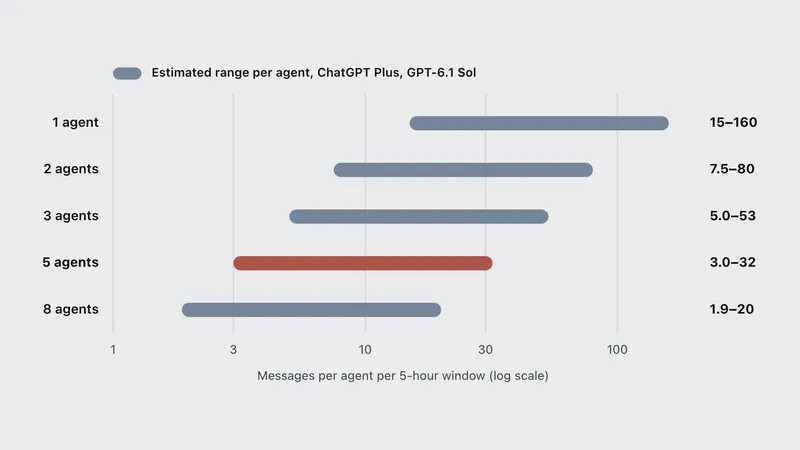
Orca is a free, MIT-licensed app that runs Claude Code, Codex and 30+ agents in parallel worktrees. The app costs $0; your plan limits pay for the parallelism.
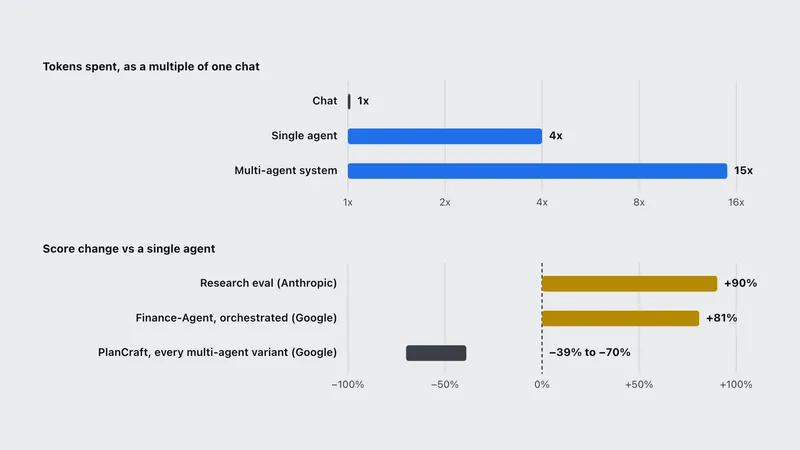
Yes. Agents burn about 4x the tokens of a chat and multi-agent graphs about 15x. The extra spend pays off on parallel work and backfires on sequential tasks.
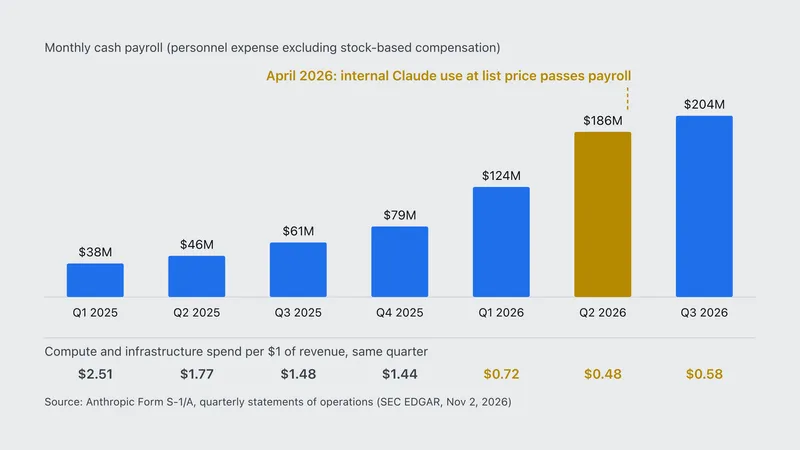
Anthropic's S-1 says internal Claude use, priced at list rates, passed its cash payroll in April 2026. That is about $186M a month, and list price is not cost.
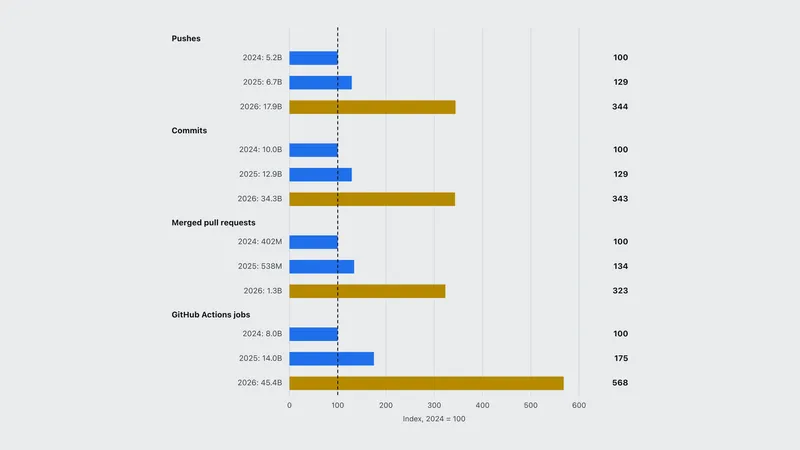
Everything GitHub announced at Universe 2026: Copilot Fusion, Copilot inside Enterprise, AI push protection, the npm package firewall and Octoverse stats.
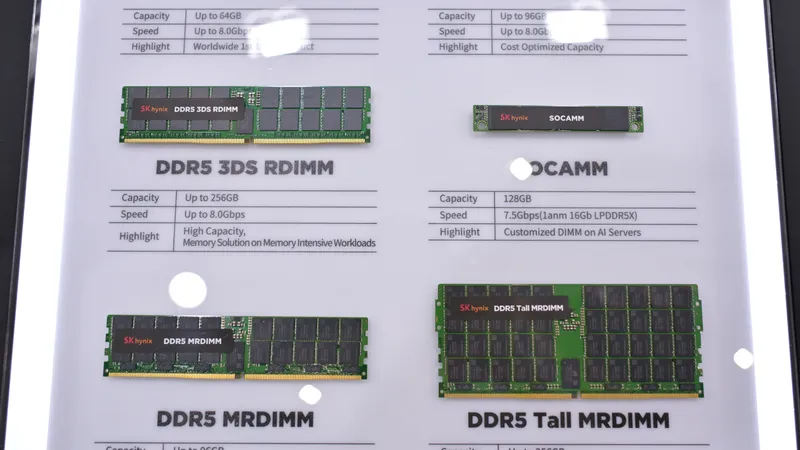
RAM and GPU prices are spiking because AI data centers locked up DRAM supply. A 32GB DDR5 kit costs 7x more than in 2025, and RTX 50 cards rise again this week.
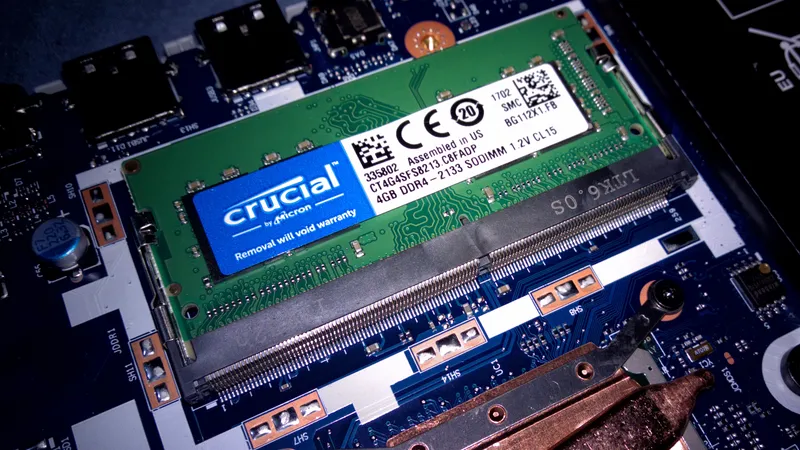
Partly. Sam Altman is right that idle RAM makes a local token cost more, but data-center HBM, not home PCs, is what is eating the world supply of DRAM.
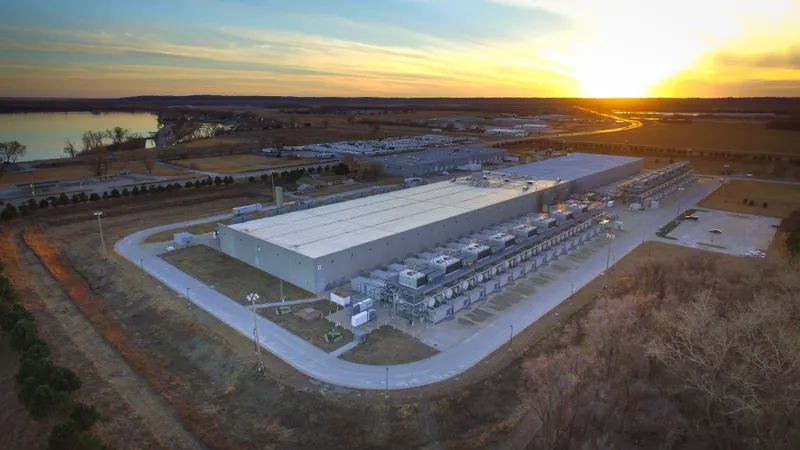
Alphabet lost about $500B in a day, yet Google Cloud revenue doubled. The strain is $51B of quarterly capex and negative free cash flow, not AI demand.
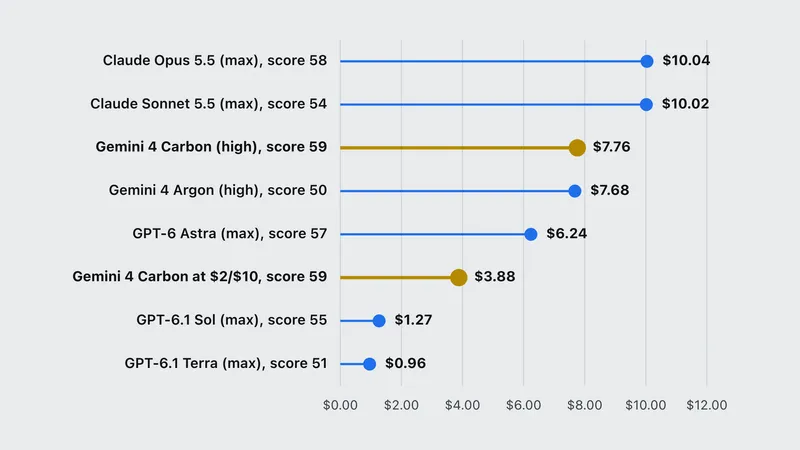
Gemini 4 Carbon costs $2/$10 per million tokens through November 30, then $4/$20. It scores 60 on Artificial Analysis and any paid API account can call it.
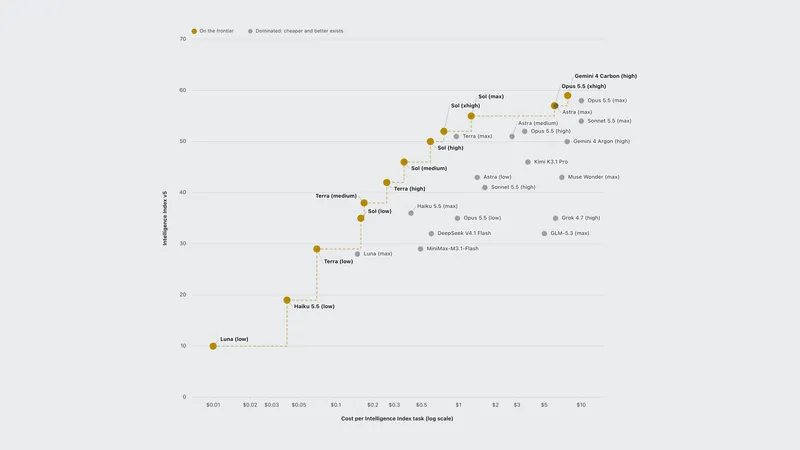
The Pareto frontier is the set of AI models no rival beats on both cost and intelligence. On the October 2026 index, OpenAI holds 9 of its 12 points.
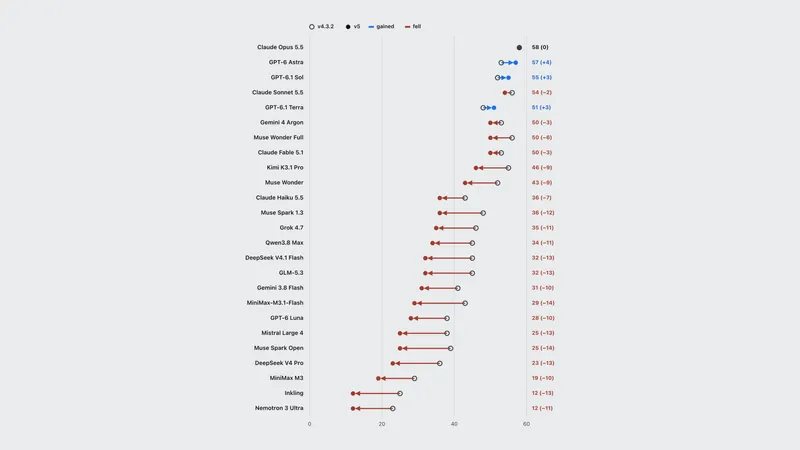
Artificial Analysis Index v5 lowered 21 of 25 models. Kimi K3.1 Pro fell 9 points and GLM-5.3 fell 13, while GPT-6 Astra and GPT-6.1 Sol gained.
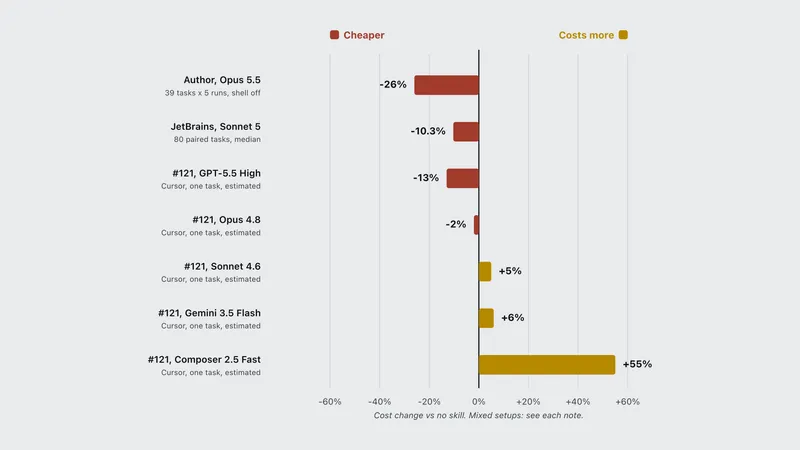
Ponytail cut Claude Code costs by 10% to 26% in two serious tests, not the half its code cut implies. One Cursor test found it cost more. What to expect.
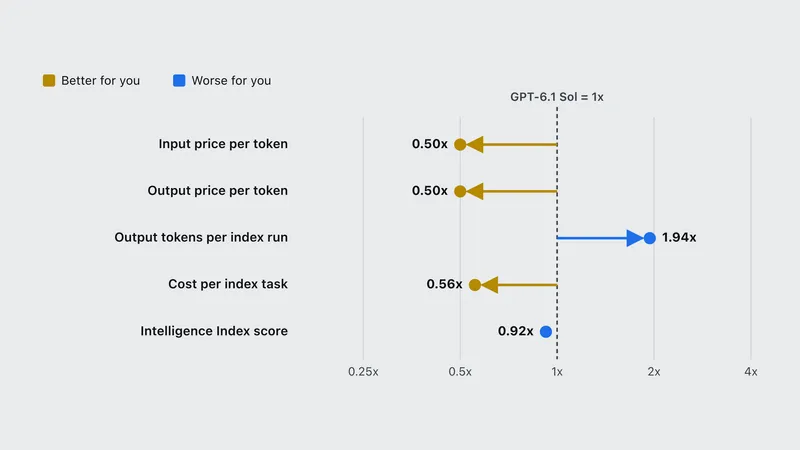
GPT-6.1 Terra costs $1/$5 per million tokens, half of GPT-6.1 Sol. It scores 48 on Artificial Analysis for $0.40 a task, 56% of Sol's cost per task.
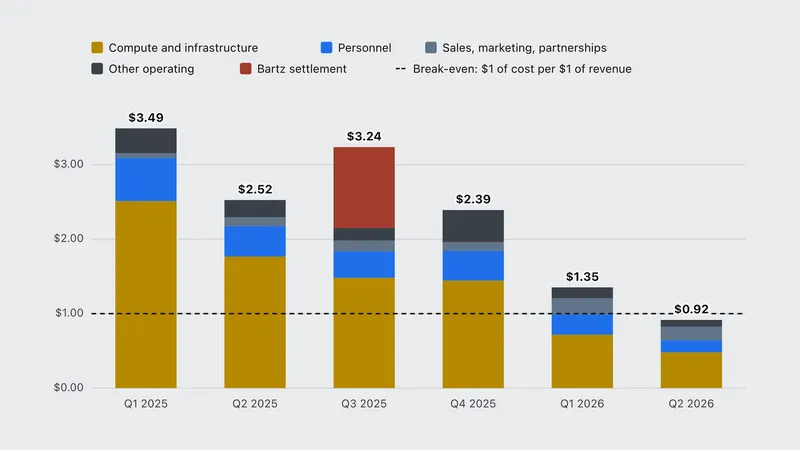
Anthropic's IPO filing: 80% of its $16.3B first-half revenue came from metered tokens, 48% via cloud marketplaces, and Q2 2026 was its first operating profit.